Sunday Brunch: Is timber our building secret weapon ?
Timber is a great building material. One target is using more timber as a structural material, which requires some new thinking by engineers. We need new design approaches, including a greater re-use of reclaimed timber. But timber is never going to fully replace concrete & steel.

The extended use of timber as a structural material in buildings could be an interesting, if niche, investment opportunity. But it may not be forestry that is the winner.
Timber is already widely used as a building material. But it's use as a structural material is much less common. Reinforced concrete and steel are much more widely used. As an ex civil/structural engineer I understand why. There are practical reasons for this - timber is a harder material to work with. And our training and the existing building codes push us toward steel and concrete.
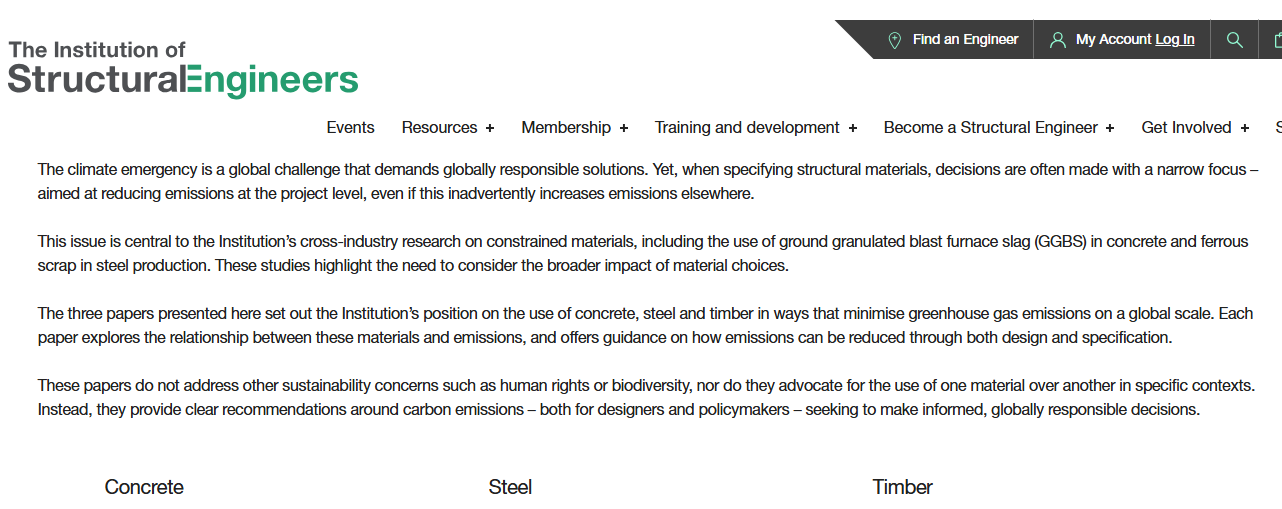
Which is why the promotion of future best practice by professional bodies such as the highly respected Institutional of Structural Engineers is so important.
This shift is likely to lead to a greater demand for engineered structural timber including glulam beams. But the bottom line from an investor perspective is that while we will see more structural timber used, reinforced concrete and steel are likely to remain dominant. This will be a niche activity, at least for the foreseeable future.
The Institute identified two key actions needed if we are going to use more timber in structural design, enhancing the design skills of the profession (including building regulations), and working harder on the timber supply chain (including recycling and re-use).
Plus they highlighted that a greater use of structural timber will mean more design limitations - specifically columns and supports will need to be closer together. It's more expensive to create beams with really long spans - something that is easier in steel or reinforced concrete.
Which reminds me. We need to celebrate the passing of a giant of the architectural world. Frank Gehry, one of the most influential architects of the last century, has died aged 96.
 BySakshi Venkatraman, US reporter and Harry Sekulich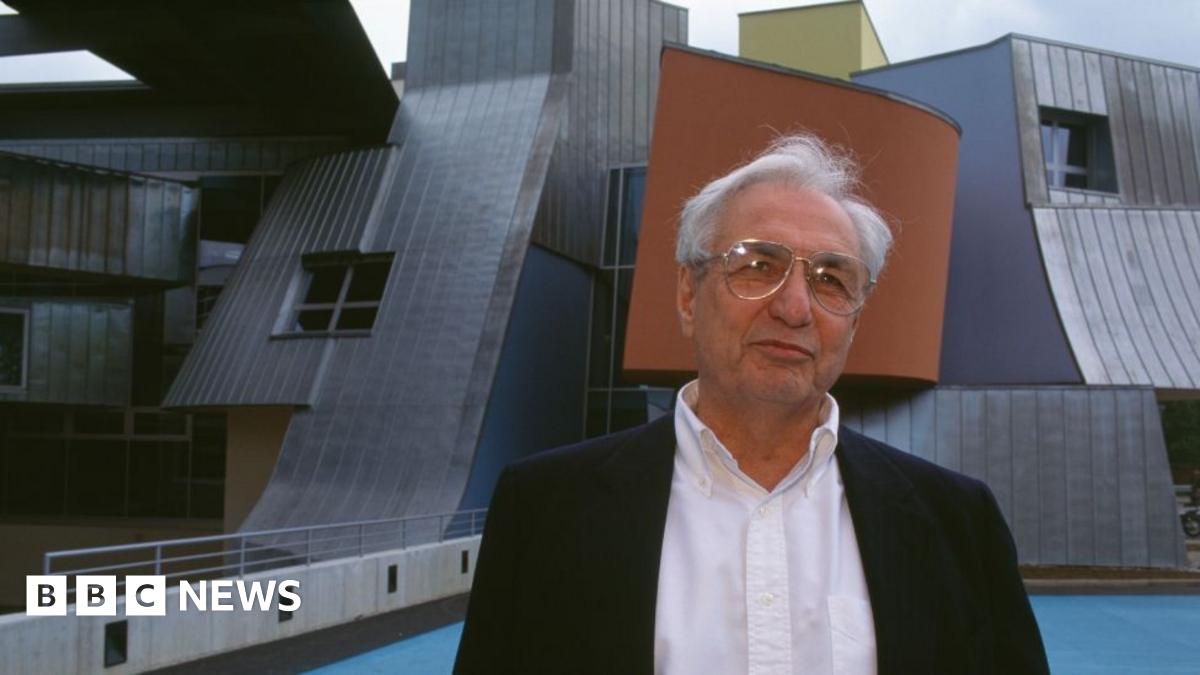
He was not only a great architect, he was also an excellent project manager. Most of his dramatic designs were finished on time and on budget. A rare skill.
 Steven Bowen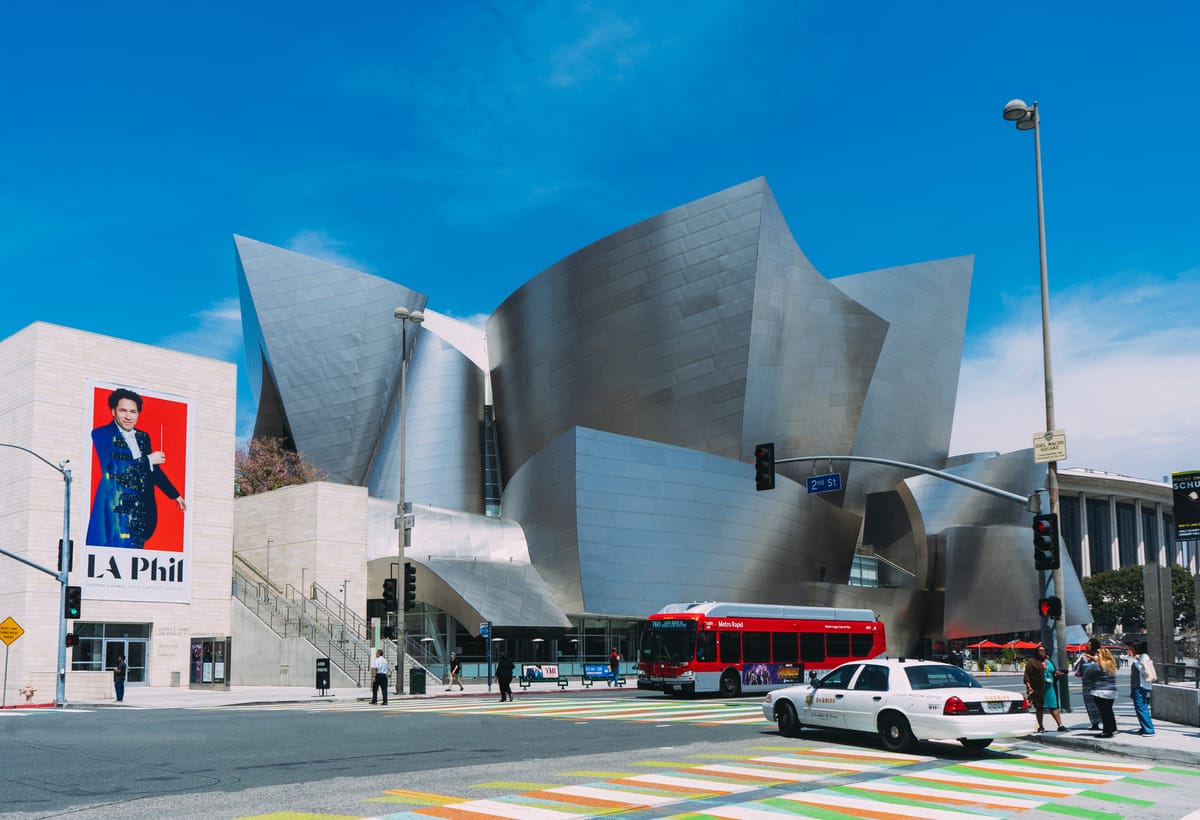
Structural timber needs new supply chains
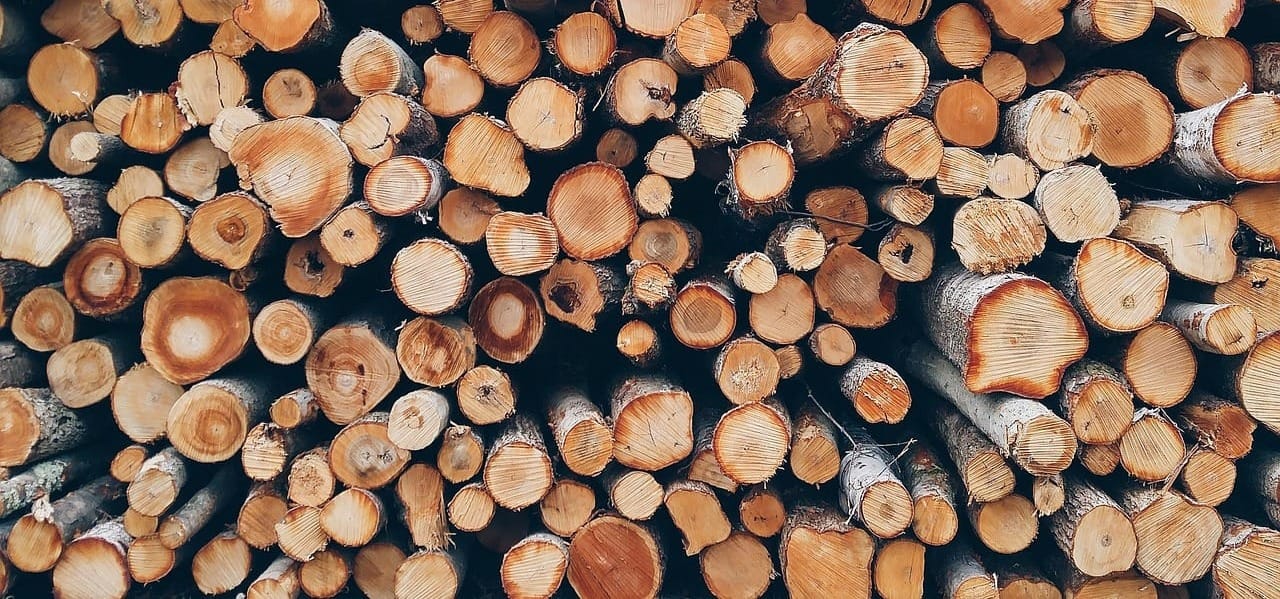
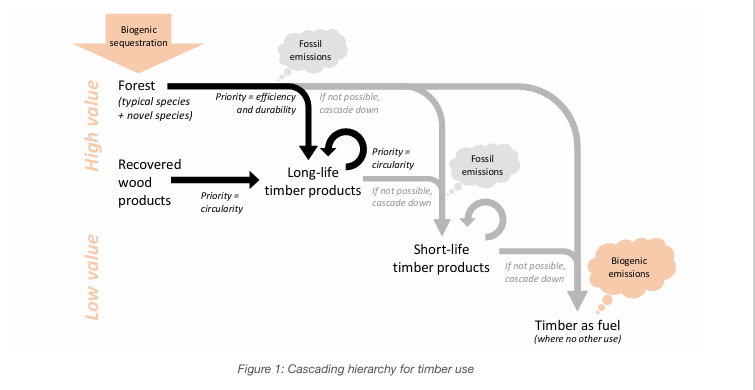
Back to structural timber. The work of the Institute highlighted the need to reconfigure our timber supply chains. Put simply we should not be increasing our use of virgin logs. If this extra raw material supply does not come from forests, where else might it come from? That's easy - recycling. The popular image of structural timber is giant oak (or other hard wood) beams and columns. But from a design perspective these are sub optimal. The quality is too variable. What we need is engineered structural timber.
Which is where glulam comes in. Gluman stands for 'glued & laminated' timber. Imagine thin (ish) strips of timber glued together under pressure. Correctly done this gives a structural element that is good under tension and compression, with consistent properties. Just what the structural design engineer needs.
And they don't need to be made of virgin logs. Used recycled timber at scale will take time, but it's a challenge worth solving.
Plus engineers need to learn new design skills
While most engineers are comfortable with the use of structural timber in low rise buildings, an increasing number of tall and complex buildings are being designed that incorporate structural timber. These are pushing the boundaries that most engineers are comfortable working within - after all we are rightly a conservative profession. No engineer wants to design a building that fails.
Among the technical issues that need to be considered are fire safety, and timber structure durability. The good news is that these are solvable challenges, engineering is an industry that is used to regular educational updates.
The bottom line is that while an increasing use of structural timber could make an interesting investment opportunity, we need a few things to come together to make it happen. However, these are now happening at an accelerating pace, and so this could be a good time for innovative investors to get 'in on the ground floor' of what could be a growing market.
One last thought
The use of timber as a structural element in buildings, replacing steel or concrete, is on the rise. And, in many cases this is a good thing. Timber can be a cost effective, lower carbon and more sustainable solution. But we can sometimes carry this narrative too far. Not all timber in buildings is good. We need to avoid over promising.
 Steven Bowen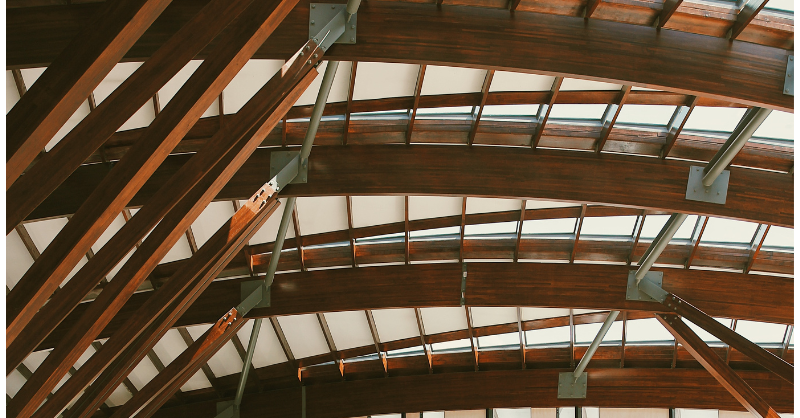
Grant me the strength to accept the things I cannot change, the courage to change the things I can, and the wisdom to know the difference. Reinhold Niebuhr - a Lutheran theologian in the early 1930's
Please read: important legal stuff. Note - this is not investment advice.