Agriculture/natural capital
What we grow, where and how we grow it, and what we eat. Plus how we can protect and enhance our natural environment including biodiversity.
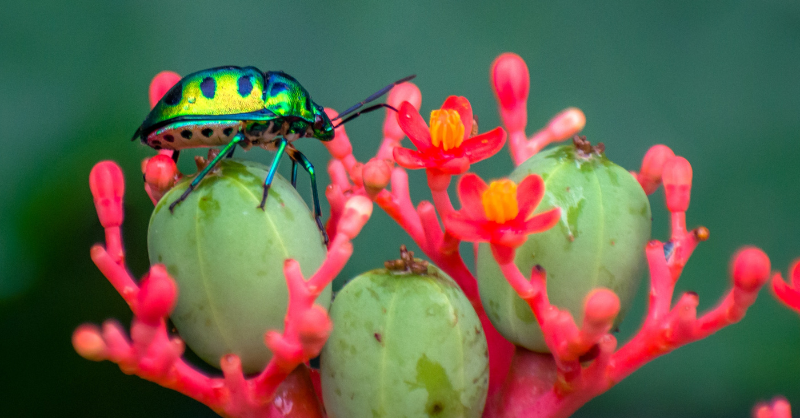
Why investors need to think about COP 15
The 15th Conference of Parties to the Convention on Biological Diversity, known as COP15, resulted in a long-anticipated Kunming-Montreal Global Biodiversity Framework (GBF), heralded as a Paris-style agreement for nature.
Biodiversity - the financial case
It might seem that reversing the impacts of biodiversity loss is a government problem, but solutions at the company and financial investor level are emerging, but they need nurturing and developing.

Is the outlook for palm oil getting better?
In the last two decades, palm oil has become an environmental boogeyman, for very good reasons. But, the story of palm oil is changing — seemingly for the better.
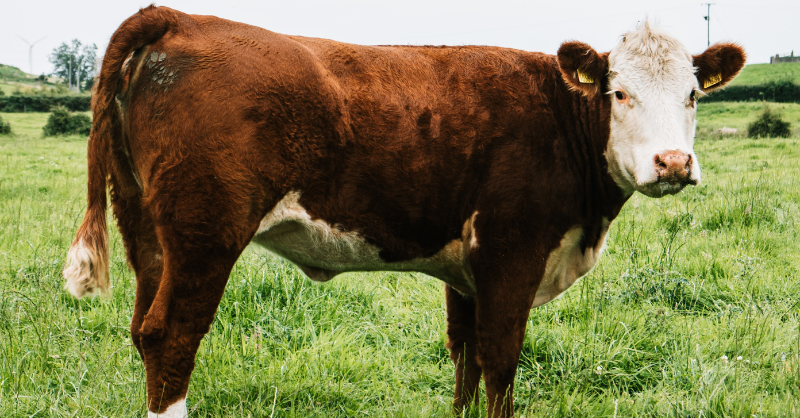
Is veganuary a good move?
Going Vegan for January has become a thing in many countries, and a big thing. But, we need to be careful not to over extrapolate this trend, ie assuming this is "obviously" good for say plant based meats.
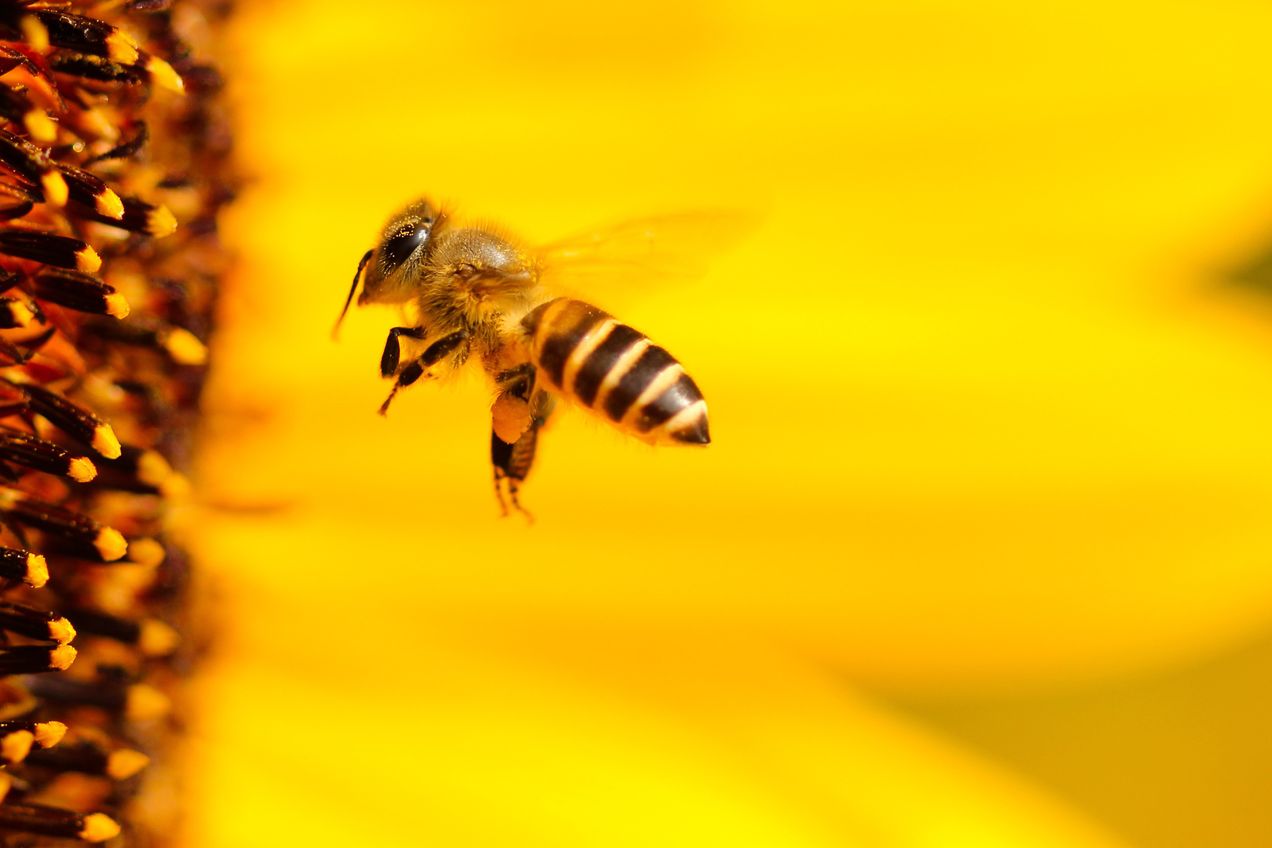
The bees' needs
The demise of wild bee populations through temperature changes, land-use and biodiversity loss are putting added strain on commercialised honeybee populations and impacting pollination and ultimately food crop yields.
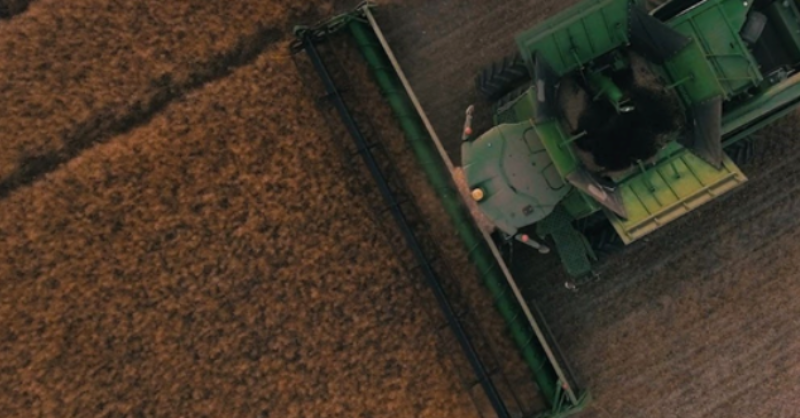
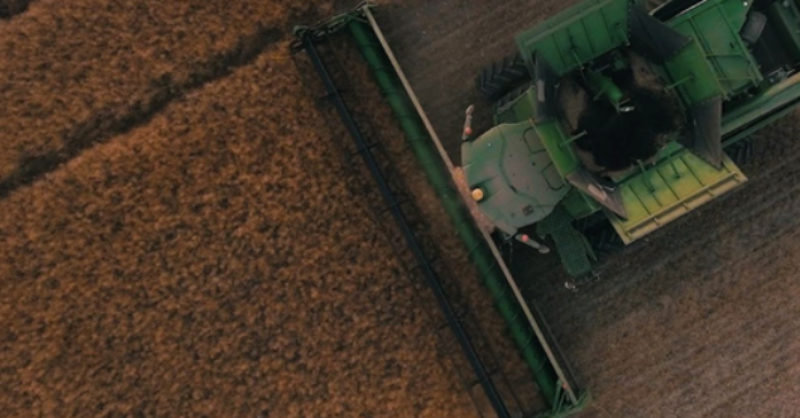
US farmers get right to "repair" their own John Deere tractors
John Deere has reached a voluntary agreement with farmers groups about the right to repair. While its important around the margins, its unlikely to slow the growth in ag tech.
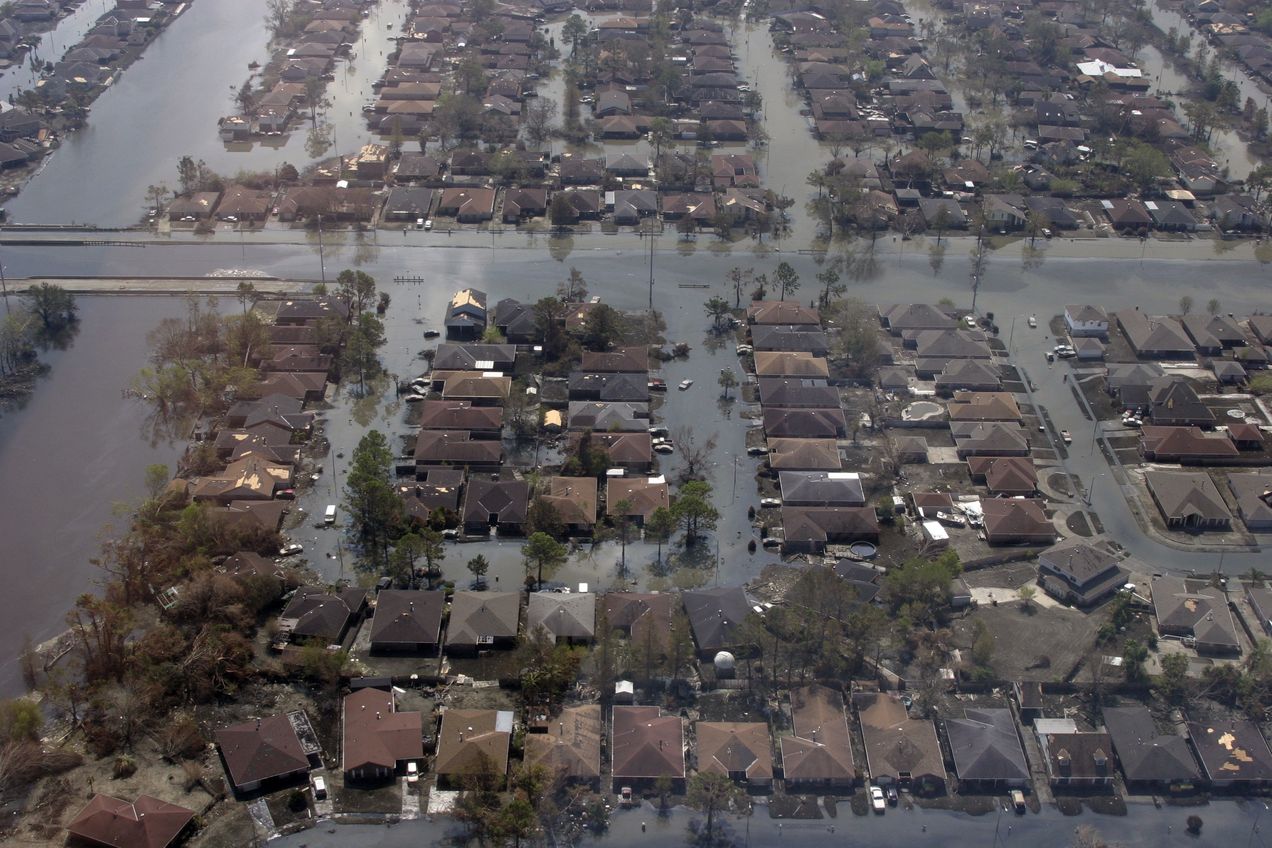
Climate risk data sought from US Insurers
The US Treasury is proposing requiring insurers to provide underwriting data, broken down by zip code, to help them understand risks of major disruptions in insurance coverage in different areas of the country driven by climate change.
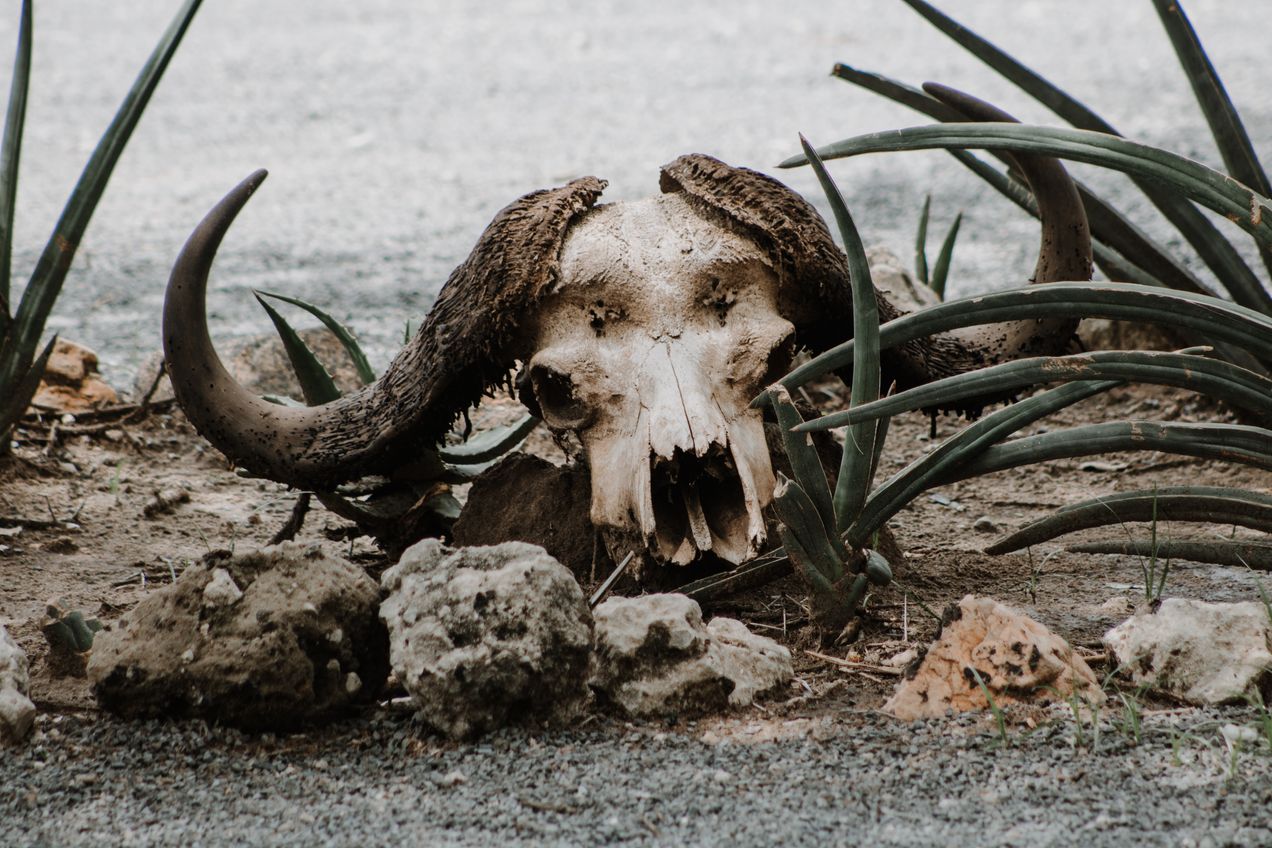
The precipice of a raging food catastrophe
Persistent drought in the horn of Africa has depleted pasture used for grazing livestock - a source of income and nourishment.
Human Rights - it's not just a values issue
Human rights are not just a values issue. The legal framework is changing - impacting companies, their advisors, and their investors. Even more than before, we need to stay ahead of the curve on this.
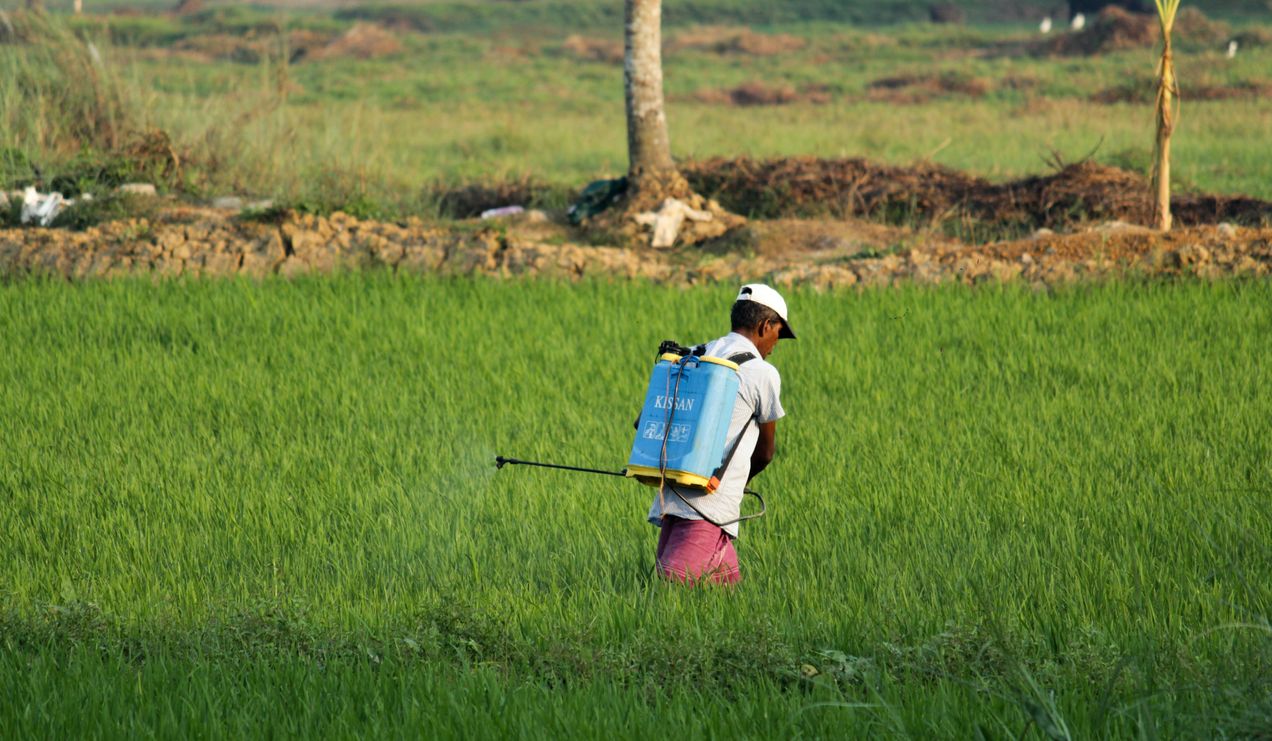
Pesticides and PFAS
'Forever chemicals' can get into pesticides in more ways than previously thought.

The risk of actual (and perceived) provenance issues
Provenance of products and raw materials is a key risk factor for any manufacturer. It is essential that companies have appropriate governance measures for their supply chains (and downstream distribution) and have action plans for dealing with disruption to supply and/or sales.
Agriculture and indirect migrant labour exploitation
Exploitation of migrant workers does not only take place in the global south, it's also an issue in Europe as well, especially in the agriculture industry.