
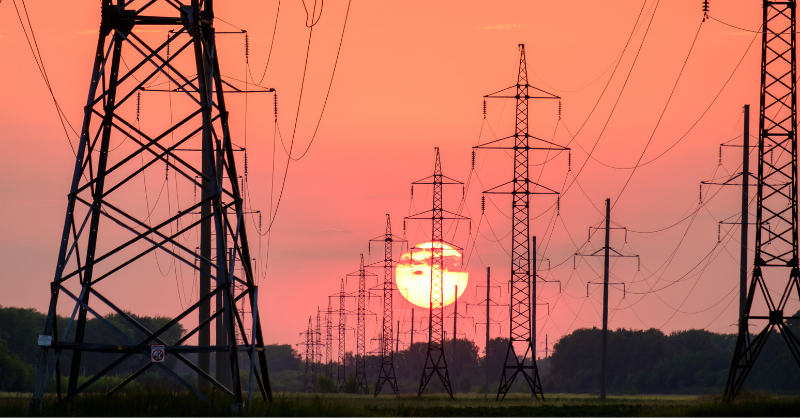
The cyber threat to our key infrastructure
Smart grids are making our electricity systems more responsive and reliable, better able to handle the addition of more renewable generation, and they are contributing to reducing costs. But they also bring cyber risks.
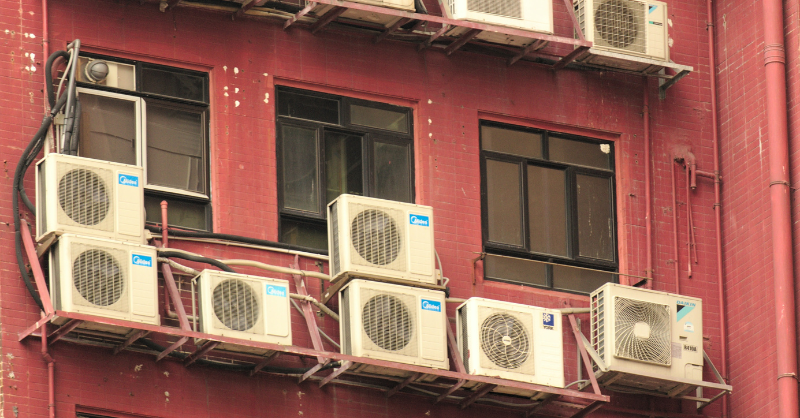
Reducing electricity demand and still staying cool
For many in the world, staying cool in the heat of summer is as important as staying warm in the winter is to those of us who live in the the northern latitudes. And yet it often gets a lot less attention in the electricity security and supply debate.

Timber in buildings is good, but not always
The use of timber as a structural element in buildings, replacing steel or concrete, is on the rise. And, in many cases this is a good thing. Timber can be a cost effective, lower carbon and more sustainable solution. But we can sometimes carry this narrative too far
More climate change law is coming
In a world of climate & biodiversity "sticks and carrots", the law is a clear stick. But, we argue that the law is not just about action by governments and regulators. Climate and biodiversity litigation by private citizens and pressure groups is on the rise.
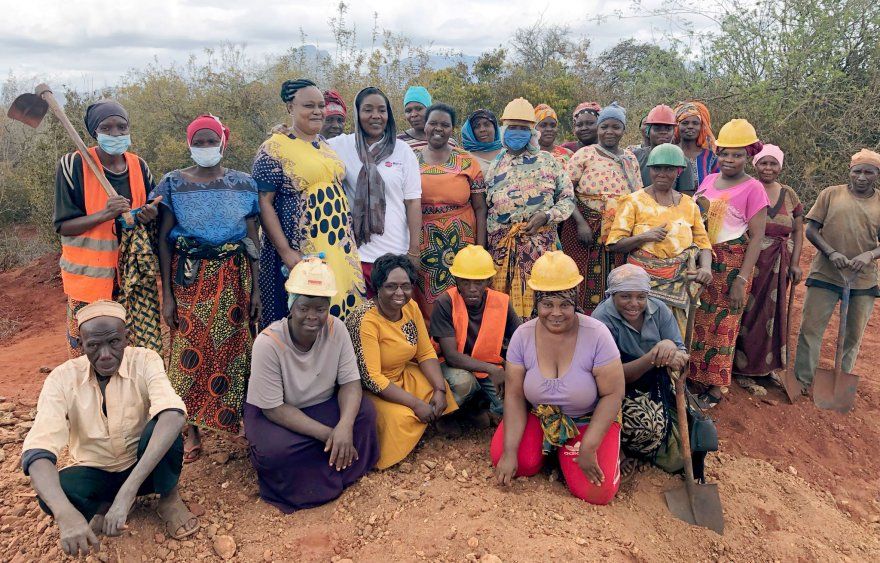
Artisanal mining - seeking solutions
The increasing focus on supply chains for the critical minerals used in green technologies has also brought the topic of artisanal mining to the fore. It remains a controversial and not well understood topic.
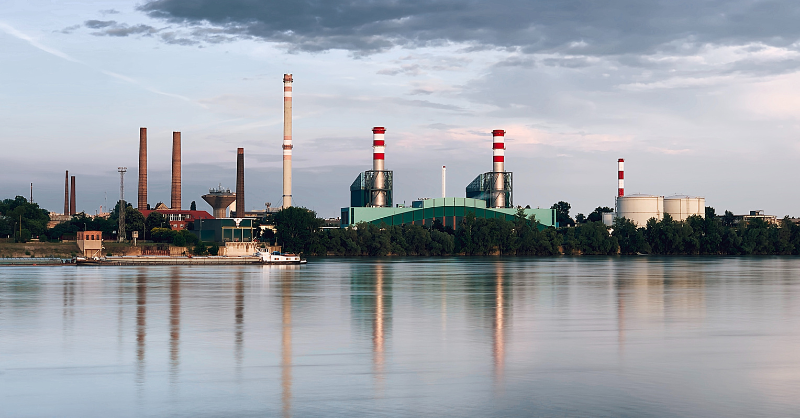
Green hydrogen - why should I care what it costs?
If you care about sustainability being financeable, you should also care about how much it costs to make green hydrogen.
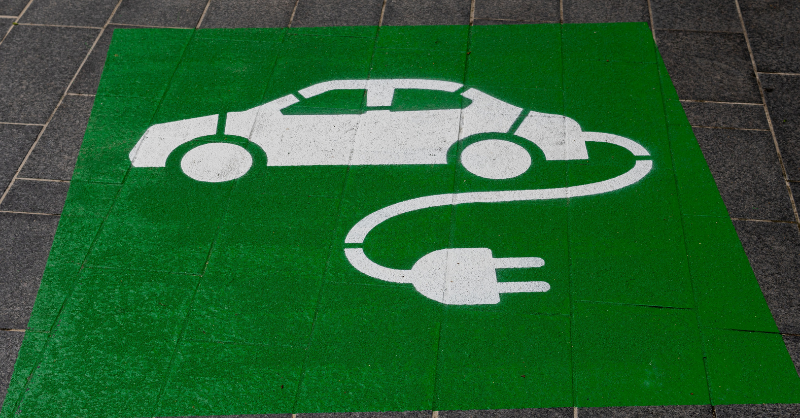
Do we have enough EV chargers?
We are going to need a lot more EV chargers, including solutions that work for all potential purchasers, including those in dense urban areas. Yes, EV charging growth is lagging the surge in EV's - but that's not a problem (yet).
Why should investors care about biodiversity? Part 3
There are multiple reasons why mainstream investors and companies should be paying more attention to biodiversity loss. One reason (among many) is it actually makes good business sense.
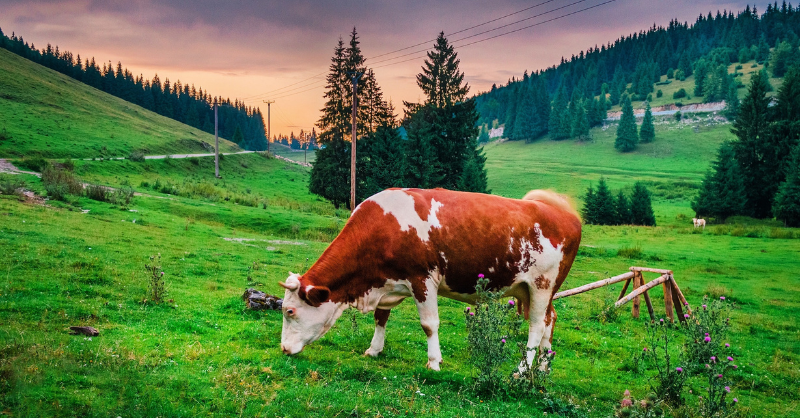
Biodiversity and food - solutions
The food industry has the potential to make a massive difference in terms of slowing and even reversing biodiversity loss.
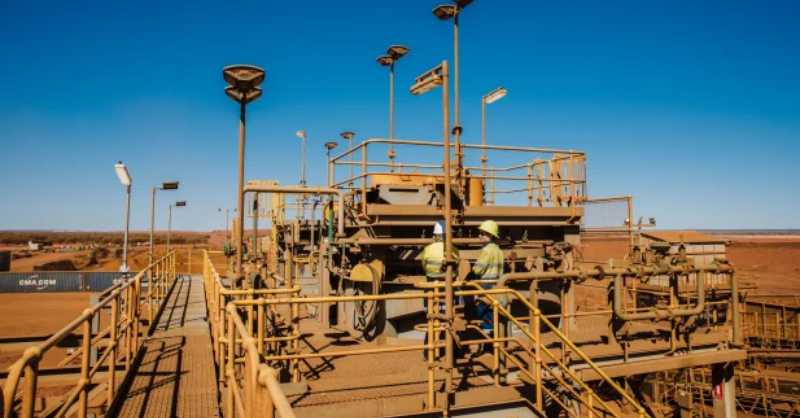
Critical mineral mining meets social license
We know we need more mining of critical minerals if the move to net zero is going to actually happen. But, how willing are we to give up other priorities, including environmental and social protections.
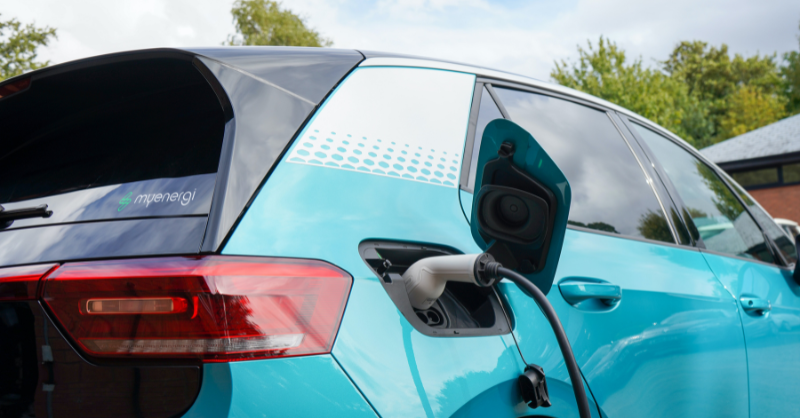
State aid - is Europe trying to solve the wrong problem?
The European Union has announced the relaxation of state financial aid and other rules for green technologies, in an apparent reply to the US IRA subsidies. But what if the issue isn’t financial aid, what if it's something else.
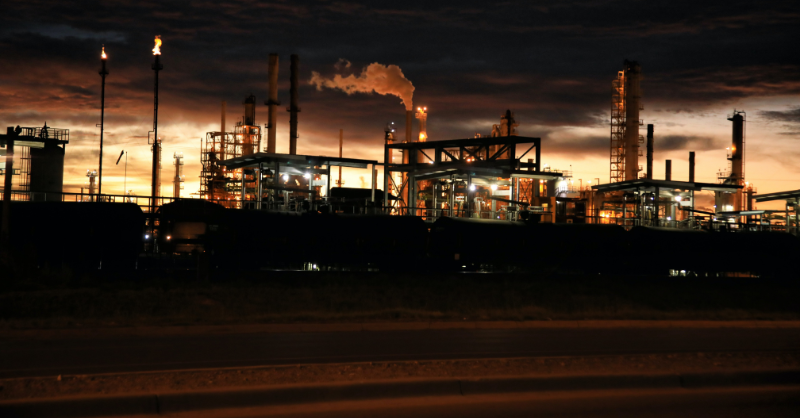
Decarbonising chemicals - ShareAction report
ShareAction has recently published a report we wrote for them on the financial case for decarbonising the Chemicals sector. Its going to take a lot of money, but the good news is that Europe already provides this for renewables.