Agriculture/natural capital
What we grow, where and how we grow it, and what we eat. Plus how we can protect and enhance our natural environment including biodiversity.
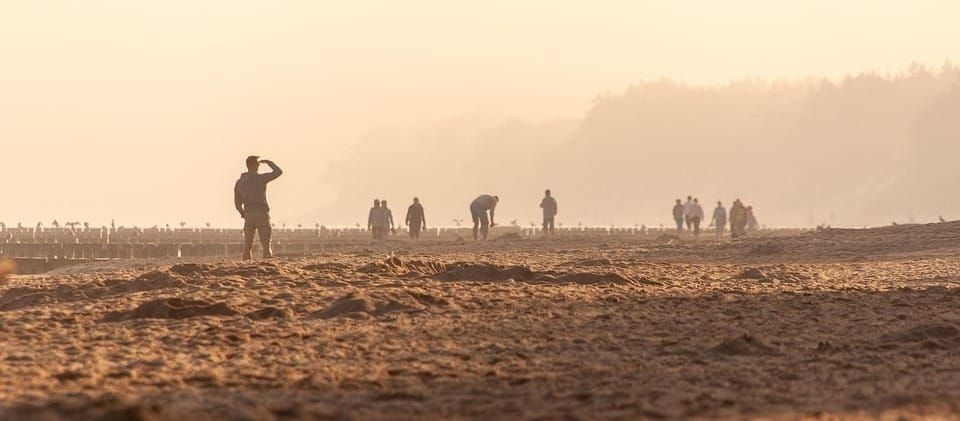
Sunday Brunch: heat stress is a major agriculture investor issue
Extreme heat is emerging as one of the most urgent and least understood threats to agriculture and food security. It is also clear that there are profound limits to what adaptation can achieve. We need climate mitigation, but investors also need to understand company supply chain risks better.
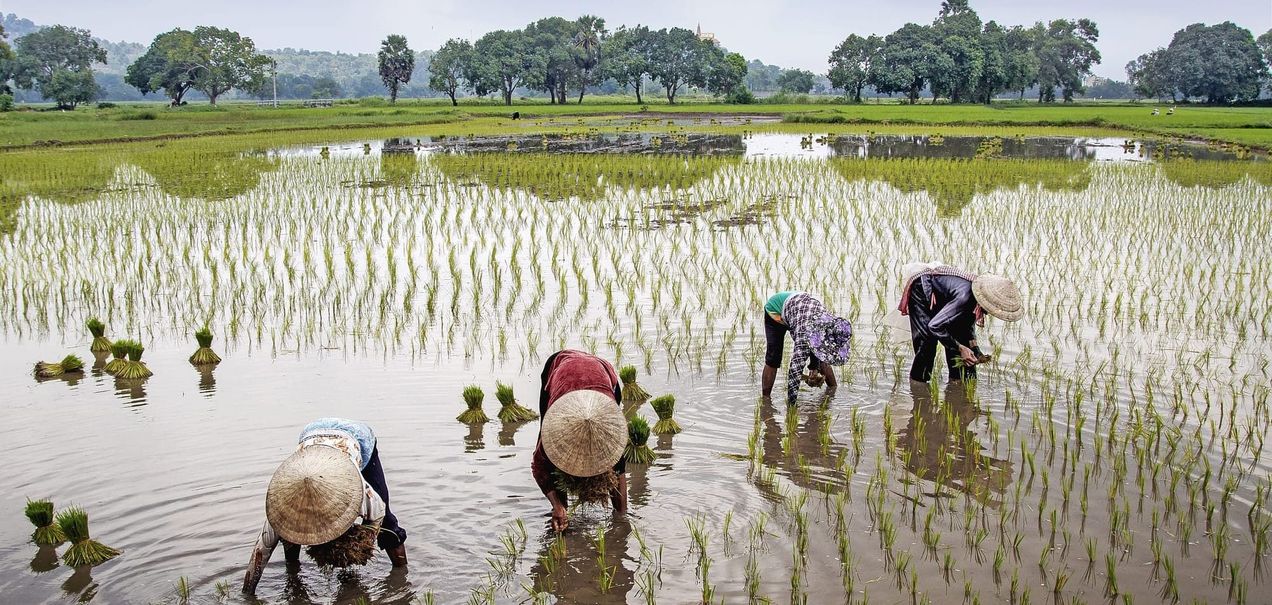
Sunday Brunch: Why (investors) need to care about food security
We know that food security is important for countries, but what about for investors? You might think that food is such a staple need for consumers that price almost doesn't matter - but that clearly isn't true. So what can investors do to enhance food security?
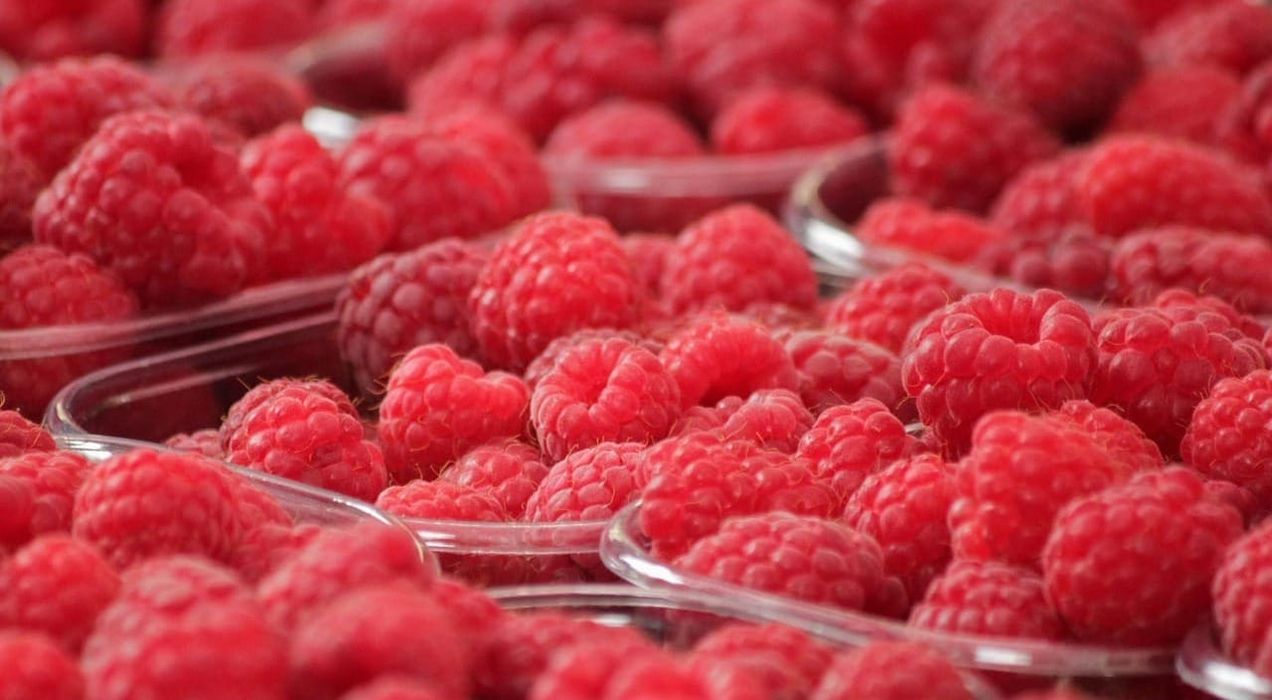
Sunday Brunch: fruit & vegetables and the very real climate risk
Disruptions to supply chains create a financial hit for companies in the food industry, especially if their competitors had planned ahead. Climate change will lead to disruptions, especially in countries already suffering heat & water stress. It's better to start planning for this now not later.
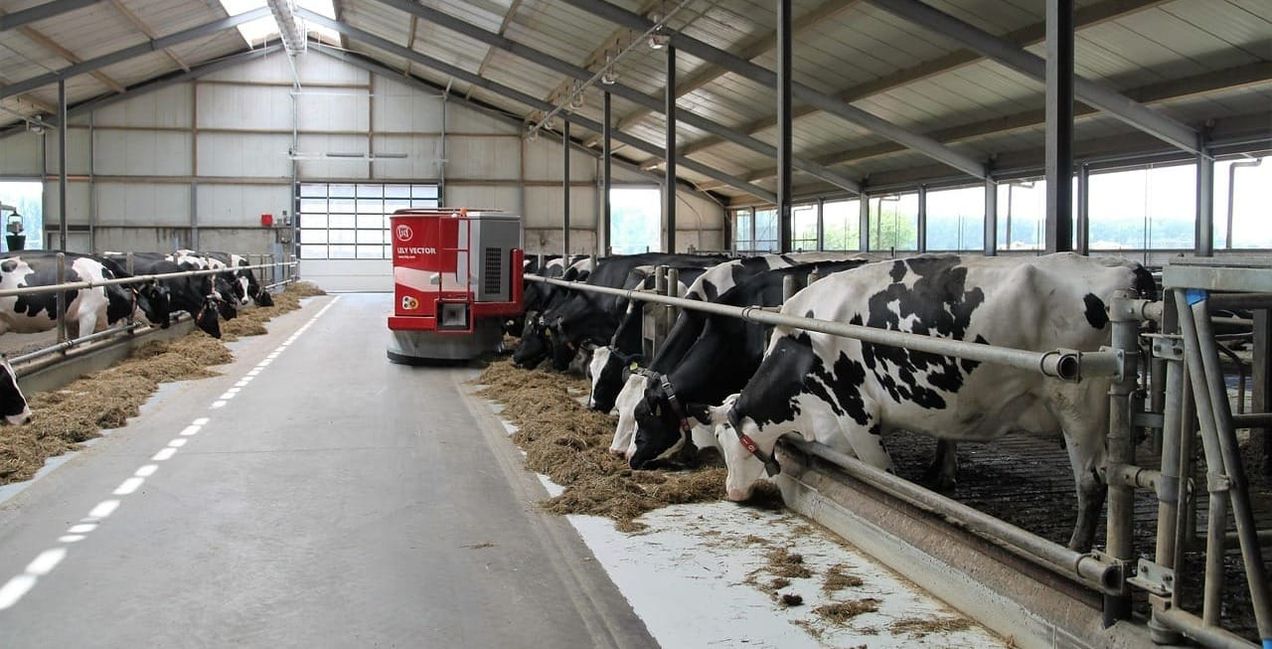
Sunday Brunch: Returning to burbing cows
We know that ruminants (mostly cows) are responsible for a big chunk of our methane emissions. As investors, who should we expect to act to reduce this, and how? And if it's not companies, should they still prepare for a lower meat/dairy future?
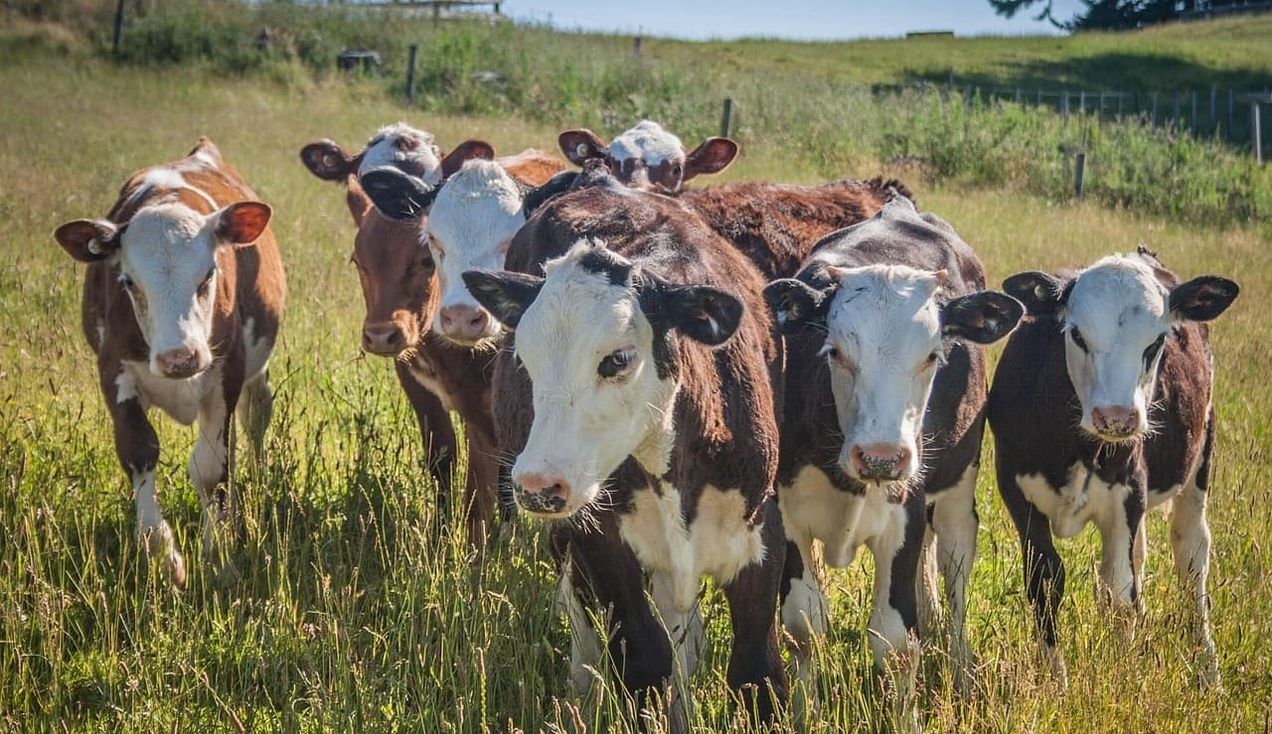
Sunday Brunch: Is shifting meat consumption possible?
This is not a question about whether it is possible for humans to prosper by eating less meat (we know that is possible). It's more about how we might get to this outcome, given that our economic system currently has conflicting objectives around the price of food vs our health & environment.
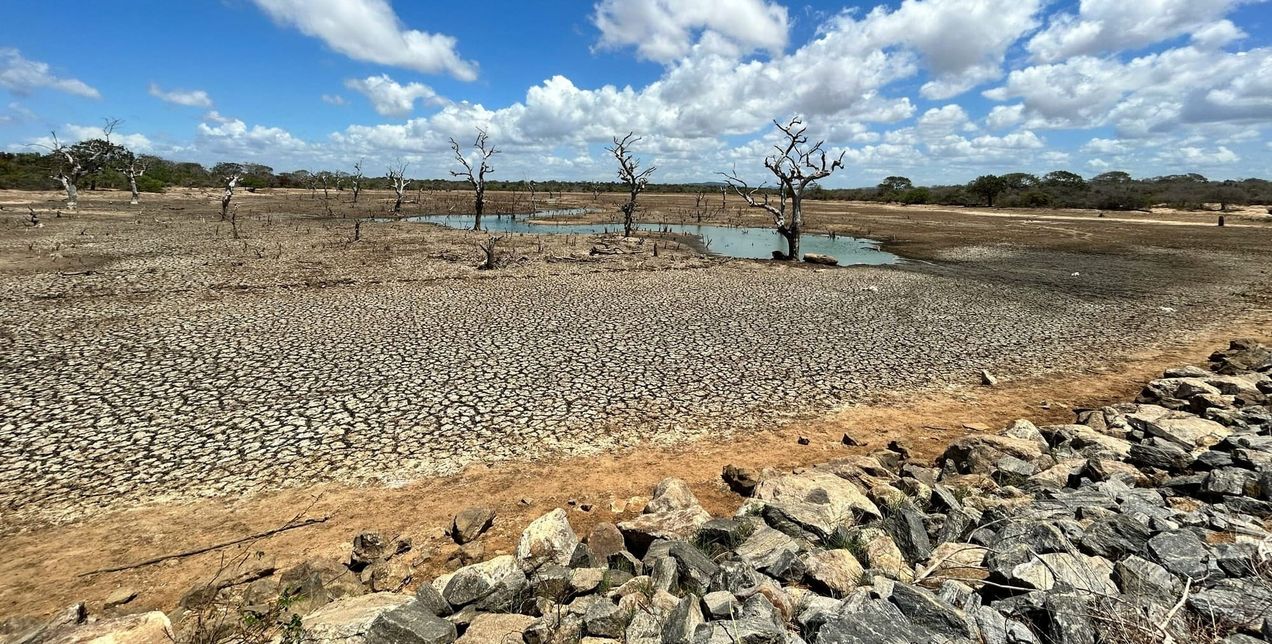
Sunday Brunch: the future is not evenly distributed
It's often hard to get people to worry about the long term when the short term looks fine. This bias is a real challenge in sustainability. It can not only lead us to underestimate the financial risks, it can also lead us to misunderstand them. Global agricultural production is a great example.
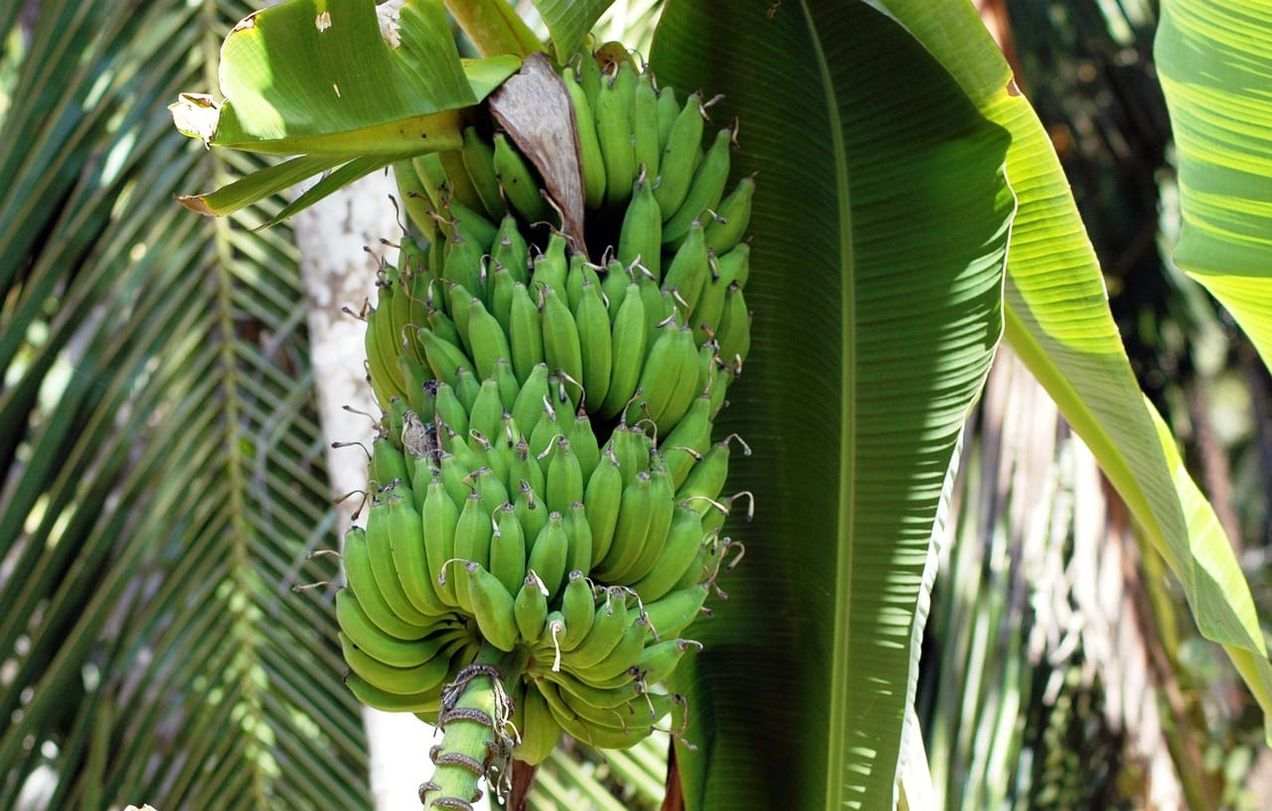
Sunday Brunch: Climate extremes, food supply & bananas
More frequent climate extremes will impact our food supplies. Arguably we are past just mitigation and well into adaptation. One crop that could be materially impacted are bananas. The possible future for banana's gives us insights into the risks and opportunities for the wider food supply chain.
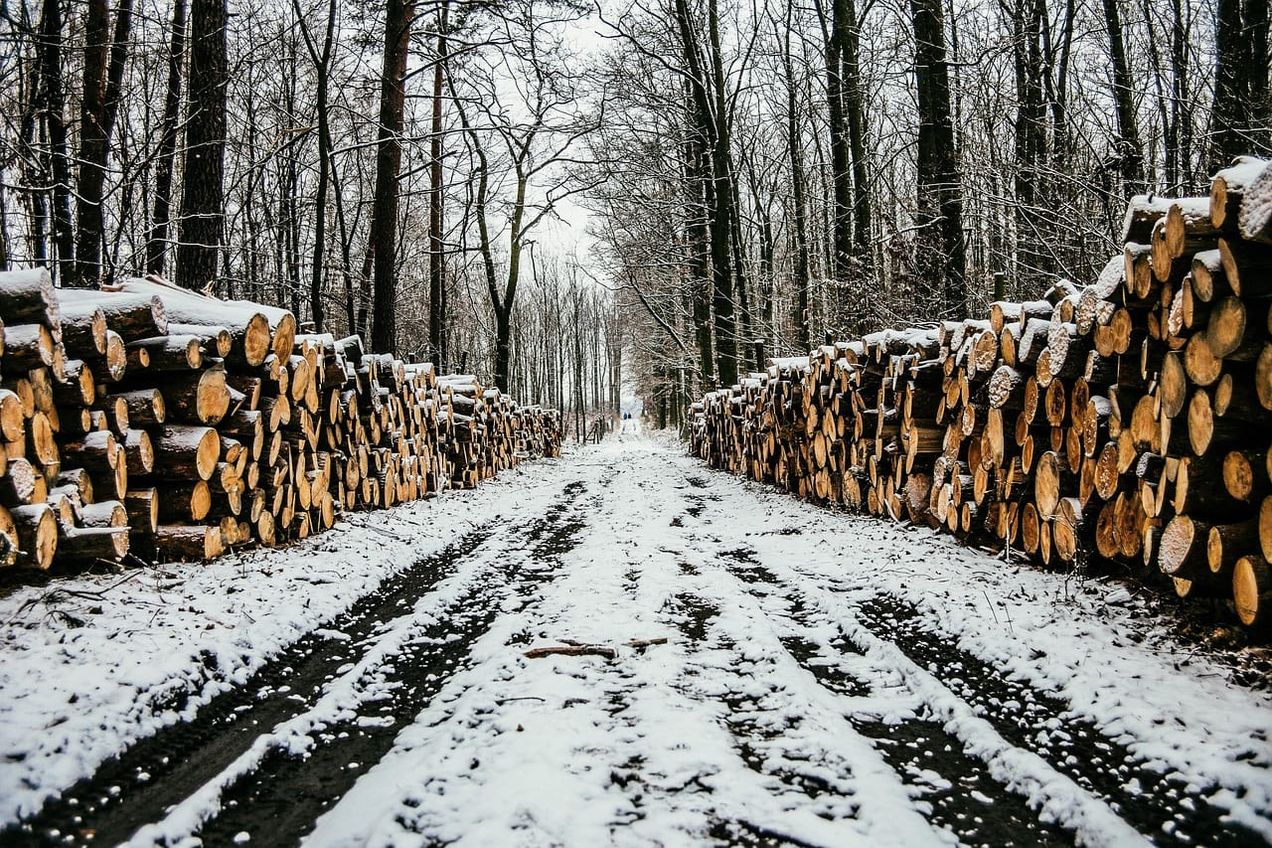
Deforestation - an increasing risk for food companies
A lack of supply chain resilience is one of the most material investment risks faced by companies in food related industries. Within this deforestation is becoming more prominent. Put simply, if there is material deforestation taking place within a company's supply chain, the time to act is now.
Sunday Brunch: what is important for food producers
The key issues for food companies - healthier diets and climate resilient supply changes. Do you really understand where the food companies you are invested in, or involved with, stand on these key issues.
How firms adapt to climate change
Do we really think enough about how firms will adapt to climate change. At the risk of sounding defeatist, we are already heading for c. 3 C of global warming. We need companies to prepare = adaption.
Wine, cognac, sustainability and financial risk
Grape growers face material climate change risk, in terms of temperature increases, water shortages and climate volatility. Companies are starting to disclose some information on their responses, but we need to dig deeper.
Food companies, sustainability and financial risk
Climate change is going to alter what can be grown where, and the yields that farmers can deliver. This is very likely to lead to higher prices. And yet current financial reporting by companies in the agricultural value chain doesn't really talk about this. This needs to change.