Thematic Thoughts
Thinking about the big issues around how sustainability links into the world of finance

CBAM: will carbon border taxes help or harm industries?
The trial period for the EU's Carbon Border Adjustment Mechanism has begun. This could be a game changer, but there is a lot of detail to sort out.

Cooperatives and appellations: addressing the gap between the cost of coffee and farmer income.
The gap between coffee price and farmer income needs bridging. Can Co-operatives and appellations help.
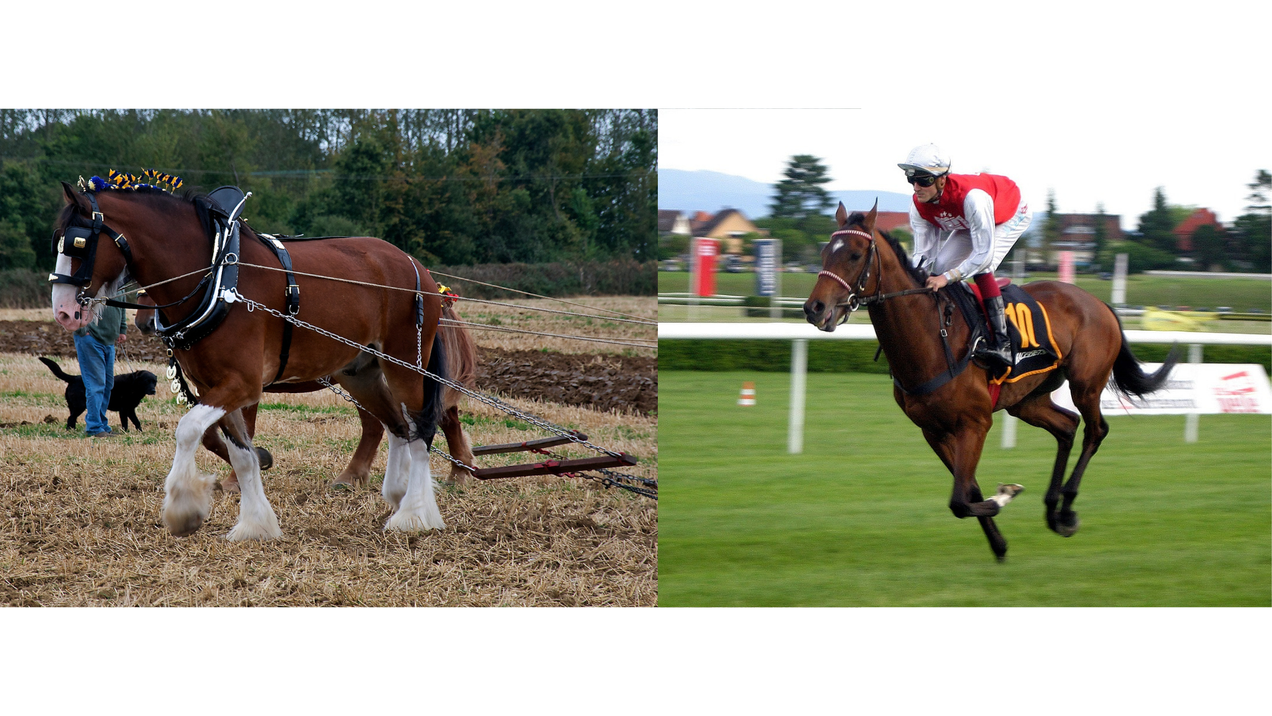
Sunday Brunch: horses for courses
The solution (the horse) should match the problem or desired output (the course).
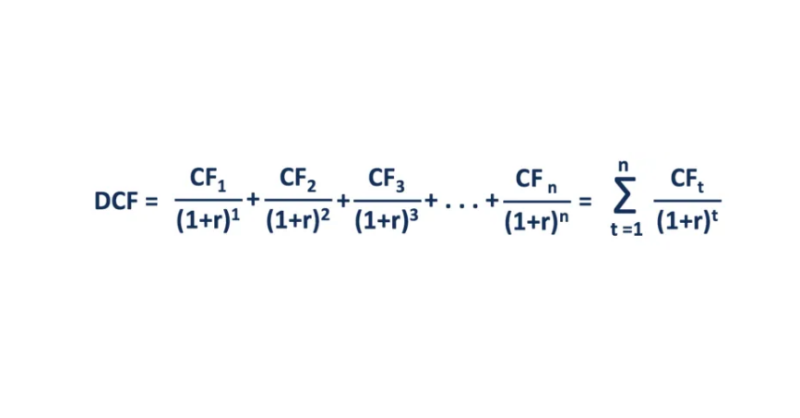
Sunday Brunch: The importance of the Cost of Capital - part 1
The Cost of Capital is a powerful financial concept, but one that hides a lot of complexity. The phrase is often mis-used. One common mistake is to believe that if a sustainability investment is lower risk, it means it's a better investment.
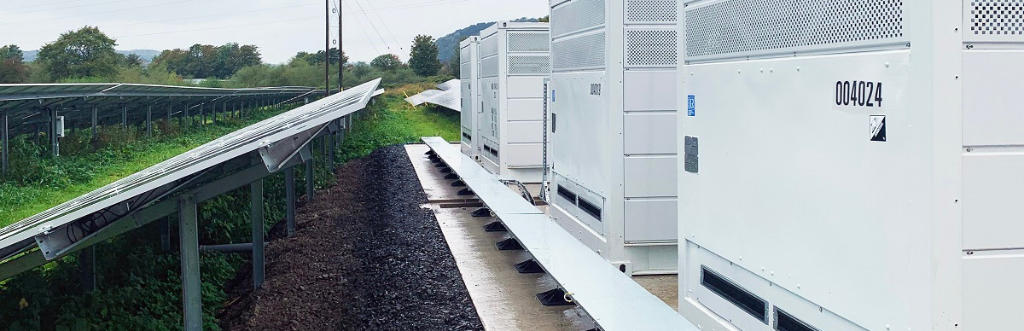
Can renewable electricity now be sold direct to the consumer (in Korea)?
Most households and small businesses have to buy their electricity from a retailer (often known as a distributor), who gets it via the grid. There are some good reasons for this. In most countries, companies that distribute electricity are regulated (for safety reasons), and buying electricity via retailers means consumers

Home energy electrification - more complicated than you think.
We tend to think about home electrification as one of the easiest transitions. Good alternatives already exist. We 'just' need people to switch to electricity for home heating/cooling and cooking. Then we factor in home EV charging, and job done. But, the reality is a lot more

Kenya farm hosts first on-site green hydrogen-to-fertiliser plant.
US-based Talus Renewables, a manufacturer of modular green ammonia systems is starting up a plant in Naivasha, Kenya that will enable local production of both low-cost and carbon-free fertilisers. Talus will supply Kenya Nut Co with fertilisers under a 15-year take-off agreement with the plant

Sunday Brunch: what is this investment worth?
How we create narratives to generate financial forecasts impacts the valuation process

Sunday Brunch: ad singula or 'can I cut airline emissions by getting more people to fly?'
Individual carbon footprint calculations are useful in decision-making but a big picture view is also needed

20's plenty?
The introduction of a 20 mph speed limit in built-up areas in Wales has not been without controversy. So emotive was the move that a no confidence vote in the minister who led the introduction of it, Deputy Climate Change Minister Lee Waters, was brought although was easily defeated.

All swans are black in the dark
In a recent LinkedIn post, Andreas Posavac, Global Head of ESG, Corporate Governance and M&A Advisory at S&P Global Market Intelligence discussed a multi-year research study by The Generation Foundation and 2° Investing Initiative called "All swans are black in the dark." The

Building regs backlash in Germany
German Housing Minister Klara Geywitz, Finance Minister Christian Lindner and a number of other senior cabinet members of the German coalition have expressed their concern about potential revisions to the EU Energy Performance of Buildings Directive (EPBD), which would include mandatory renovations for buildings with the worst energy performance. The