Thematic Thoughts
Thinking about the big issues around how sustainability links into the world of finance

Sunday Brunch: Sustainable investing - what is really in the share price?
We 'know' that a company's share price is determined by what happens in the future. And that this is where sustainability issues play their part, changing the likely course of the future. But how the share price responds depends on what investors are already expecting. Consensus matters.

Sunday Brunch: 'Soft' factors are really important for investors
Investors know that soft factors, such as having a happy and motivated workforce, are important drivers of a company valuation. But how do we include factors such as diversity into our investment cases? The first step is to understand the linkages. Not all soft factors are financially material.
Investors must cope with uncertainty
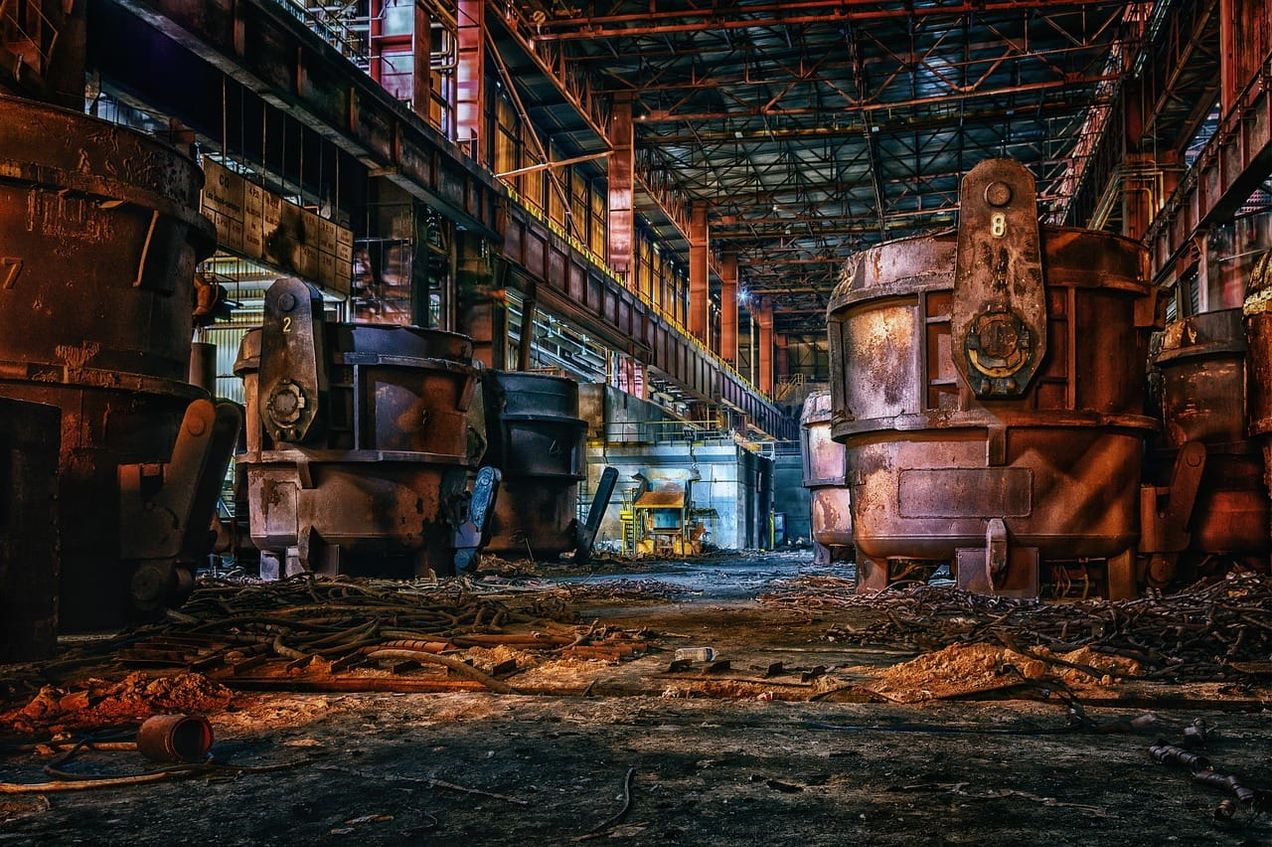
One way that investors are different is that we deal with uncertainty. We cannot be sure what the future will bring, but as we invest we can prepare for possible future events. Companies betting on only one outcome, normally the status quo, can be risky. The steel industry is a good example of this.

How firms adapt to climate change
Do we really think enough about how firms will adapt to climate change. At the risk of sounding defeatist, we are already heading for c. 3 C of global warming. We need companies to prepare = adaption.
Re-using existing grid connections !
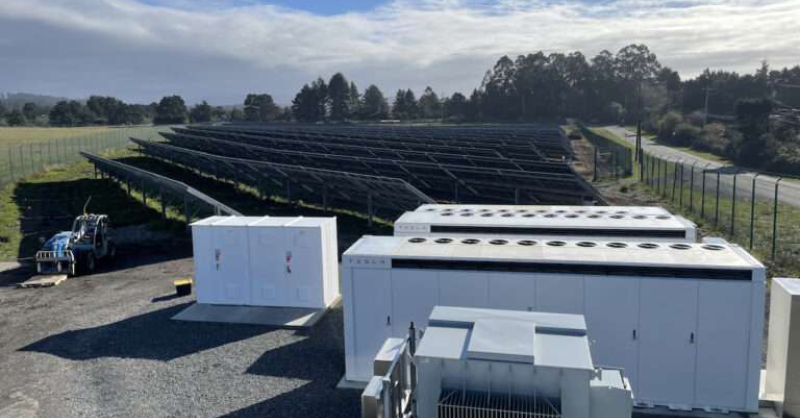
One challenge in building a new electrified energy intensive production facility is getting access to the (hopefully green) electricity. Has a West Virginia project found the solution?

Is farmer insurance a green bottleneck ?
Insurance best practice can clash with sustainability. Without insurance, impacted communities would probably not continue. And it's the same for farmers.

What investors think about green steel matters
It's sometimes easy to forget that financial markets are driven by sentiment. The 'facts' that investors believe to be true matter. For green steel, apparently 80% of investors believe the risk profile for metallurgical coal will increase in the next decade. A clear market signal.

De-carbonising electricity will take time
Energy security can be an abstract concept. But sometimes it's very real. And it can clash with environmental concerns. In that case energy security seems to win, as it recently has done in India.
EV charging & industry consolidation - a pre-requisite?
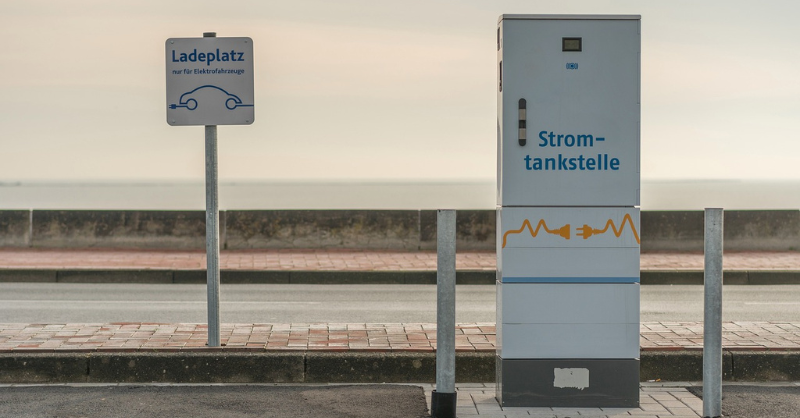
The EV charging chicken and egg? We need more high quality 'public' charging to drive EV sales - which will probably require industry consolidation

Why we need to protect insect populations
A large percentage of our crops require pollination. And for that we need insects. So why, as investors, are we allowing the companies we are invested in to take actions that put pollinators at risk?

Insulation, heat pumps and half truths
We frequently hear that before we even think about rolling heat pumps at scale we need to sort out home insulation first. This is not true.
Will carbon capture enable green steel faster?
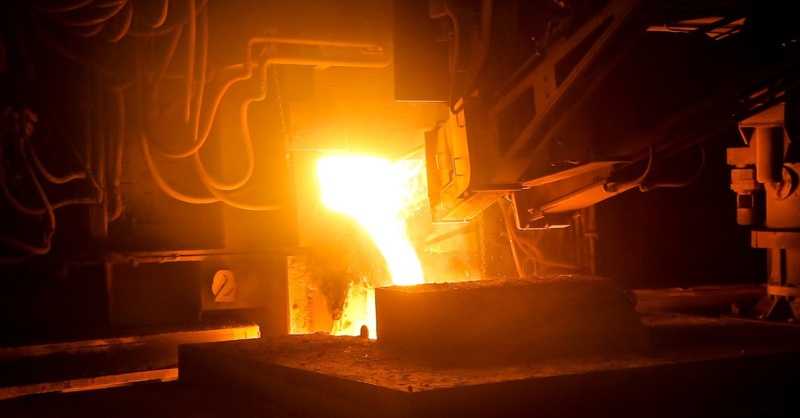
The sad answer is probably not. The current best technology in cost terms for new steel is a blast furnace - which uses a lot of coal. So bad for the environment.One solution being heavily promoted is carbon capture. But other options look better.