Sunday Brunch: heat stress is a major agriculture investor issue
Extreme heat is emerging as one of the most urgent and least understood threats to agriculture and food security. It is also clear that there are profound limits to what adaptation can achieve. We need climate mitigation, but investors also need to understand company supply chain risks better.

Extreme heat is bad for people, but it's even worse for agriculture. It's not really just about a shortage of water, as important as this is. It's mainly about how our current food production systems work best in quite narrow temperature ranges. Ranges that we should reasonably expect to breach. And this is not about what can seem like relatively 'small' average temperature changes. Even a 2 degree hotter world on average will bring a step change in extended periods of extreme heat.
Back in October last year I wrote about how extreme heat was a bigger climate risk for people than flooding. As an example I quoted Europe. In 2024 storms and flooding affected an estimated 413,000 people, resulting in the loss of at least 335 lives. Material damage is estimated to amount to at least €18 billion. These are large numbers, and flooding is clearly a serious and increasing risk.
But what about heat stress on it's own? According to a 2024 UN World Health Organisation report, a staggering 175,000 people die from heat-related causes every year in Europe and that figure is set to soar in line with our steadily warming planet.
 Steven Bowen
That blog looked at people and our buildings, and how we can adapt to the growing risk of extreme heat. There are some solutions, but to be clear, for many workers in industries such as agriculture (ie working outdoors), there are really no easy answers.
 Climate Change and Health (CCH)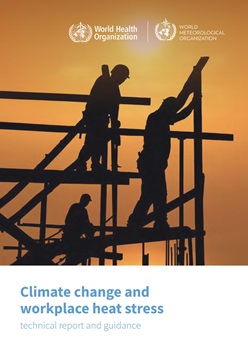
Heat stress and outdoor work is an important topic in it's own right, but today I want to explore the direct impacts of higher temperatures on agriculture and our food systems.
Heat stress and agriculture.
The World Metrological Organization and the Food & Agriculture Organization of the United Nations have recently jointly published a study on Extreme Heat and Agriculture. In it they highlight that ....
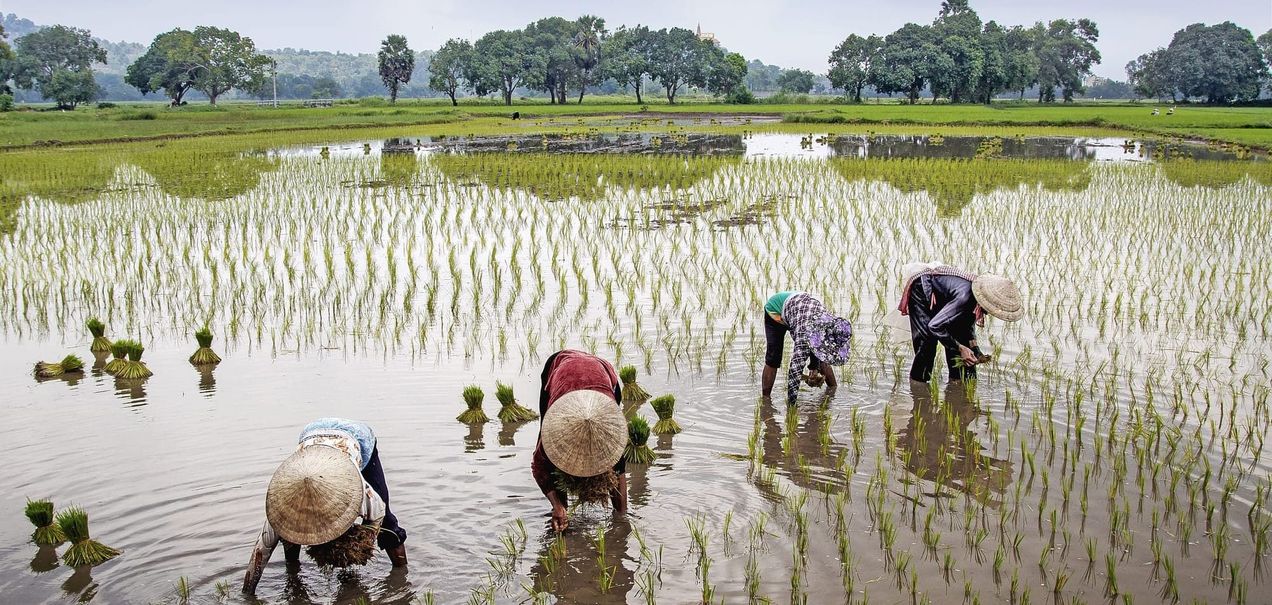
Extreme heat is a powerful risk multiplier with direct and indirect impacts across all agricultural subsectors (crops, livestock, fisheries and aquaculture, and forestry). It amplifies existing hazards such as drought, heightens the risk of wildfires, and creates complex compound impacts that endanger not only production but also the health of agricultural workers, who are on the frontlines of the growing threat.
They go on to point out that yields of staple crops like maize and wheat have already declined by 7.5% and 6.0% per 1 °C of warming respectively. And they are projected to decline by up to an additional 10% for every 1 °C of warming in the future. These results are not dis-similar to those described by Hannah Ritchie in her three part blog on climate change and agriculture for Our World in Data.
Hannah RitchieLeaving aside the obvious social impacts of these risks, this is clearly also something that investors need to be aware of and prepare for.
But, and this is an important but, the impact pathways for the various agricultural products are all (similar but) different. And hence from an investor perspective we almost need to treat them as different risks, at least as far as adaptation by companies is concerned.
A good example is crops.
For all crops, growth and development begins above some minimum temperature, with rates of development increasing up to an optimal temperature threshold. And in many (but not all) cases, warmer temperatures are better. For instance an upper optimum during the reproduction and yield formation periods of around 30 °C is common for many important agricultural crops including maize, soy, and cotton.
By comparison, other major crops including barley, beans, wheat and potatoes show damaging sensitivities at lower temperatures during their reproductive period.
So from an investor perspective we need to understand which crops are being grown where, and what the specific temperature trend is likely to be. In some cases the solution might just be changing which crops are grown, remembering that at even higher temperatures (normally above 35 degrees C) most major agricultural crops will suffer from serious heat related stress. And that this will impact both plant development and crop yields.
But animals are subtly different.
Like plants, individual animals of the major livestock species have a defined range of air temperatures within which they can control their core body temperatures without energy loss or coming under stress. For many breeds of cattle, goats and sheep, this is around 25 degrees C. For chicken and pigs, it's a bit cooler. Once we get to 30 degrees C nearly all animals suffer from reduced productivity (fewer eggs, less milk and weight loss).
The obvious difference between most crops and animals is that animals suffer heat stress at lower temperatures.
You might think that the heat levels at which this becomes a problem are somewhere out in the distant future. I suggest the risk is both greater and more immediate.
Take the UK, a country most people would think of as having a moderate climate with good rainfall levels. This makes it a region well suited to dairy farming.
In the specific case of dairy, a University of Chicago study suggests that “extreme heat can cut milk production by up to 10 percent, even on farms using advanced cooling systems”, and that when temperatures exceeded only 26C “milk production dropped significantly and took over 10 days to recover”.
A 2021 study from the Met Office and published in Climate Risk Management highlights that the number of days of extreme heat in key UK dairy regions such as the South West and the Midlands could rise from current levels of only 2 to 3 days a year, up to 30 days pa.
And in the South East and the East of England, this could be higher again, at up to 45 days. Extreme heat in this study was defined by a Temperature Humidity Index of over 70 - which equates to say 25 degrees C and 50% humidity. In the future this could be a typical summer’s day. Heat stress can have severe consequences on animal health, milk production and reproductive efficiency.
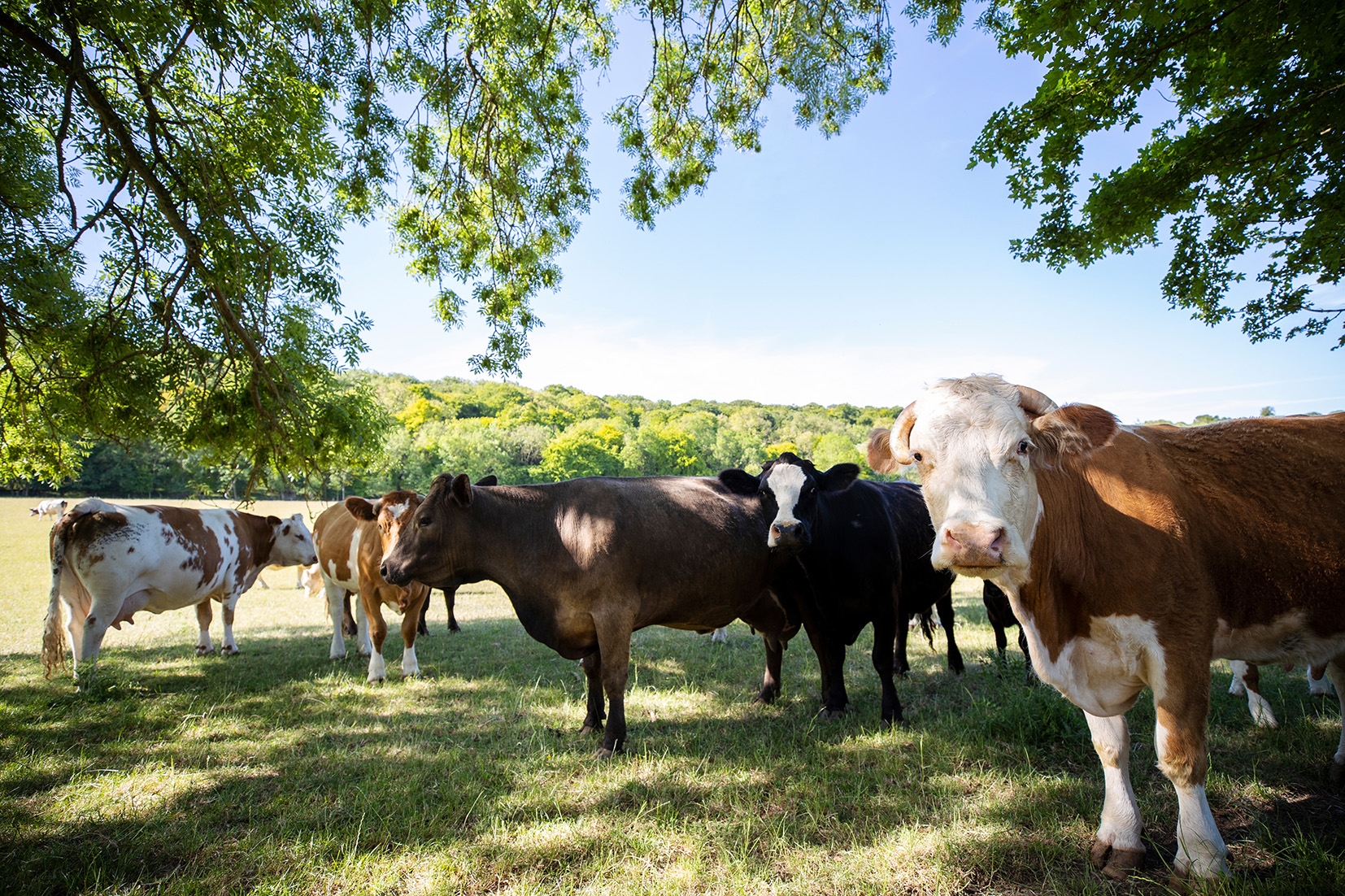
The bottom line is that as investors we need to understand which agricultural products the companies we are invested in are exposed to, where they are grown, and how the regional situation might change in the coming years. And of course, what actions they are taking to mitigate the impacts. Broad brush measures are just not enough anymore.
One last thought
More frequent climate extremes will impact our food supplies. Arguably we are past just mitigation and well into adaptation. One crop that could be materially impacted are bananas. The possible future for banana's gives us insights into the risks and opportunities for the wider food supply chain.
Steven Bowen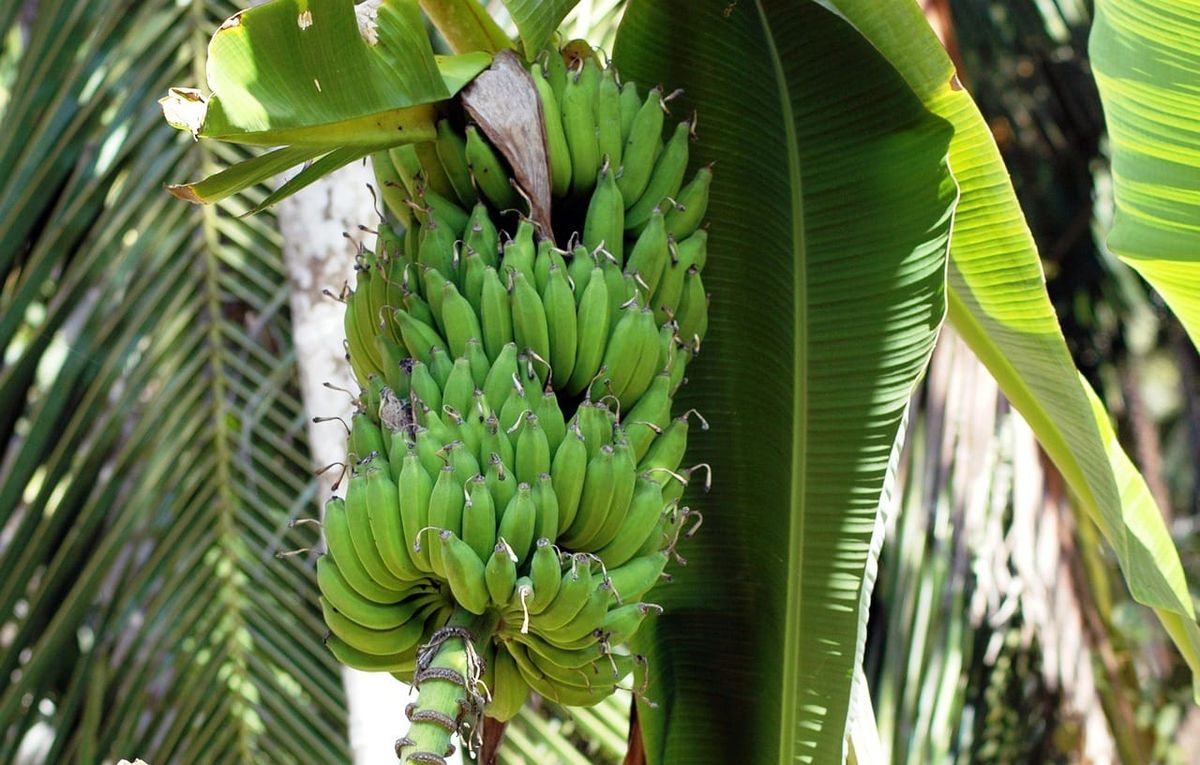
Grant me the strength to accept the things I cannot change, the courage to change the things I can, and the wisdom to know the difference. Reinhold Niebuhr - a Lutheran theologian in the early 1930's
Please read: important legal stuff. Note - this is not investment advice.