Built environment/wellness
Our cities, buildings and man-made environment plus issues around health and wellness
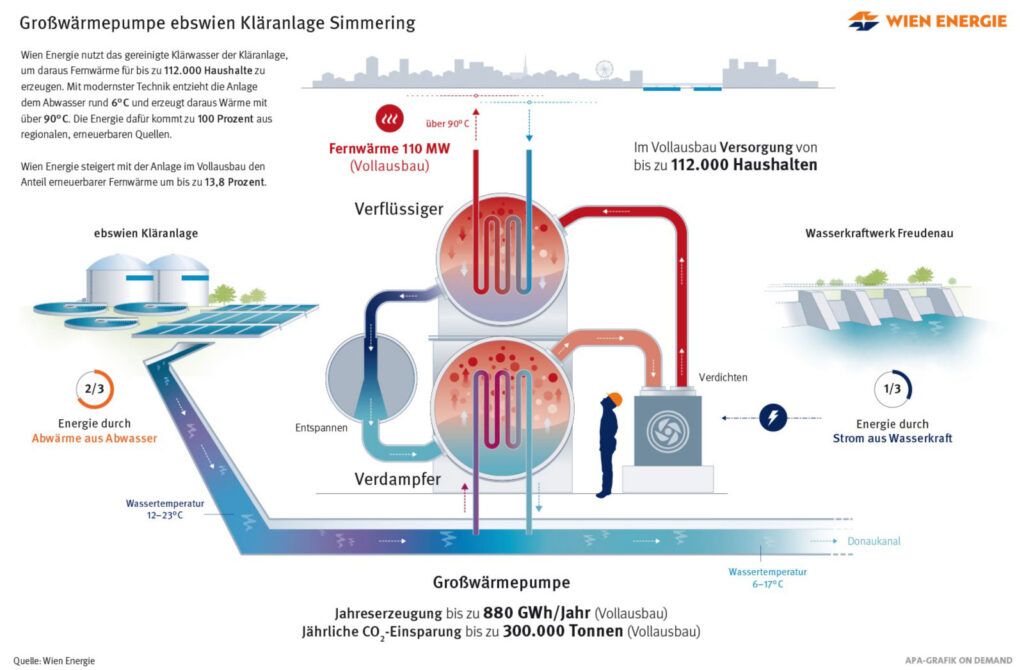
The good stuff in wastewater - part 1
In a world of increasingly scarce resources, wastewater can provide us with heat (for our buildings) plus raw materials for fertiliser and for energy. It now makes sense to better use the good stuff in our waste water - that we are currently just wasting.
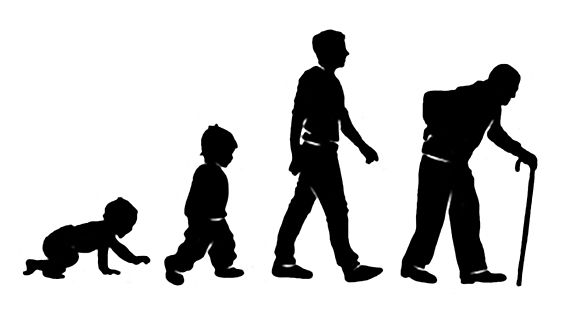
Biological ageing - this is the way
Biological or cellular ageing is driven by a number of mechanisms. As our understanding of those mechanisms has improved so the promise of stopping or even reversing ageing comes closer to reality.

The landscape of biological ageing
Whilst we are living longer on average, our desire to 'cheat death' remains. And it has spurned a big, and growing industry.
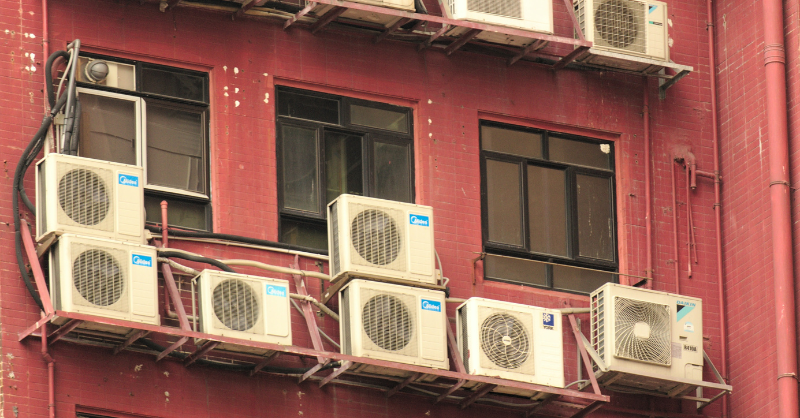
Reducing electricity demand and still staying cool
For many in the world, staying cool in the heat of summer is as important as staying warm in the winter is to those of us who live in the the northern latitudes. And yet it often gets a lot less attention in the electricity security and supply debate.
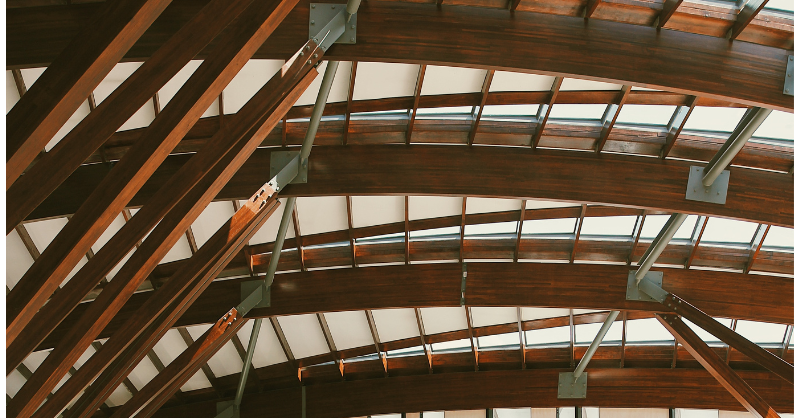
Timber in buildings is good, but not always
The use of timber as a structural element in buildings, replacing steel or concrete, is on the rise. And, in many cases this is a good thing. Timber can be a cost effective, lower carbon and more sustainable solution. But we can sometimes carry this narrative too far

Air pollution and passenger vehicles
With motorised vehicles the focus is often on reducing their carbon footprint by changing how they are powered. But what about their impact on air pollution?
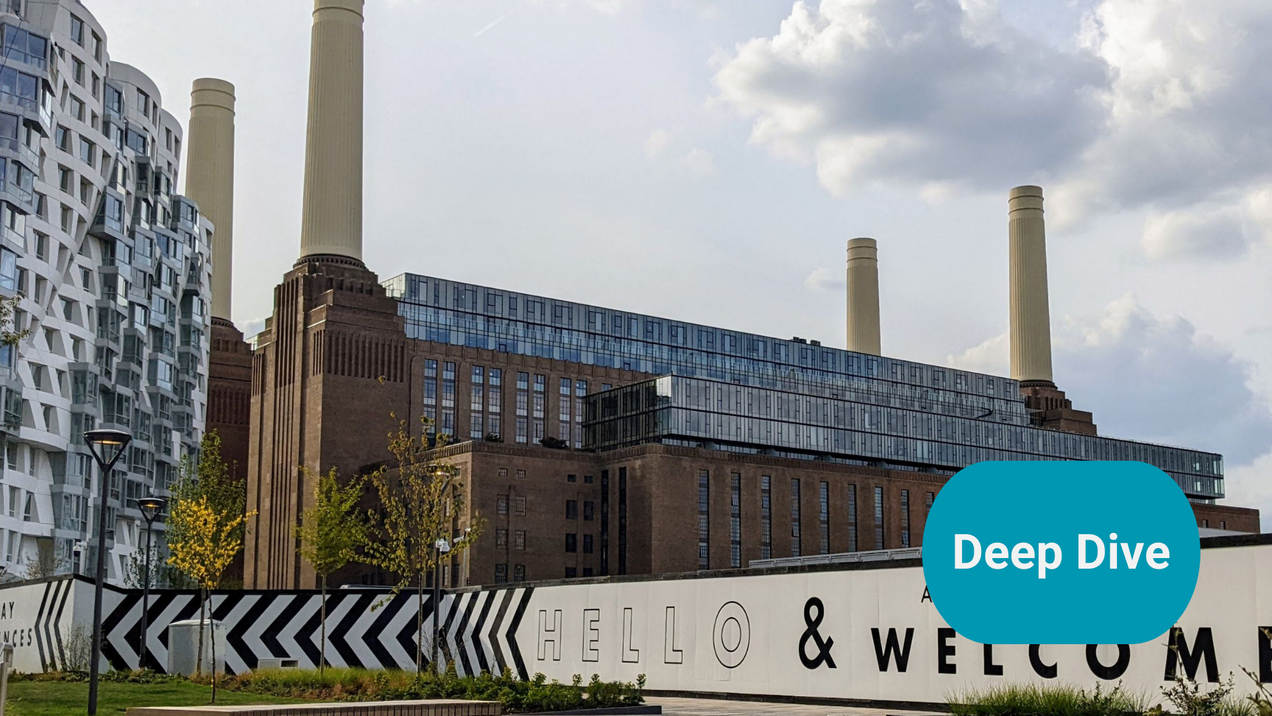
RetroFit for 55?
Retrofitting existing buildings can save both embodied carbon relative to new construction (and demolition) whilst improving the operational efficiency of the building which in turn saves carbon emissions and costs.
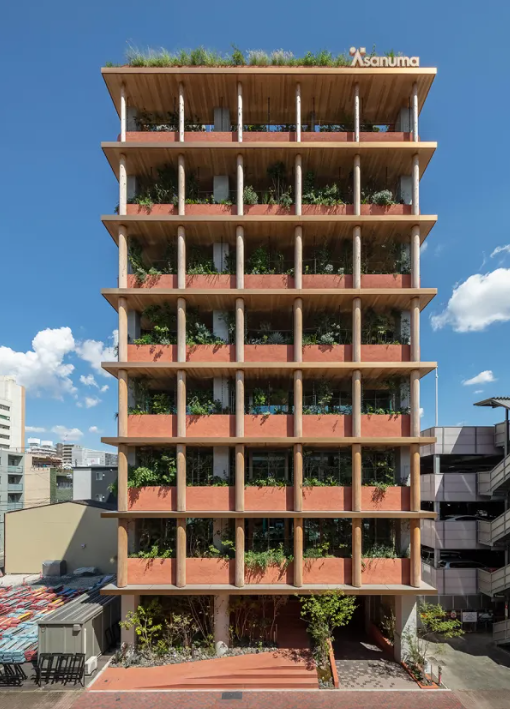
Retrofit from liability to asset
Existing materials offer the potential to transform existing buildings into carbon stores.
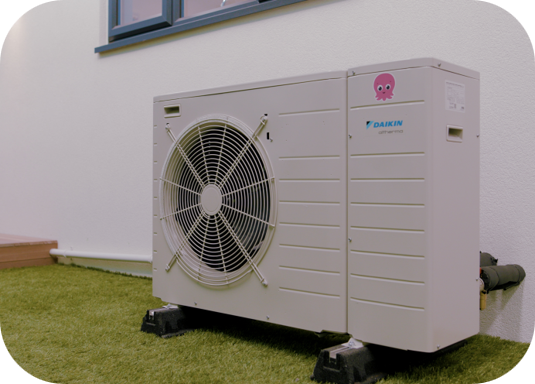
How do we pump up the volume on heat pumps?
Heat pumps could be an important low-carbon, cost efficient solution for keeping our homes at the appropriate temperature. Getting them into homes takes more than just the kit.

Health Equity - drugs and more
Health equity is a key sustainability theme that has solutions and drivers across all industries, not just pharmaceuticals. Why? Because disparities are not only a function of access to health care but also other factors including socioeconomics, the environment, race and gender.
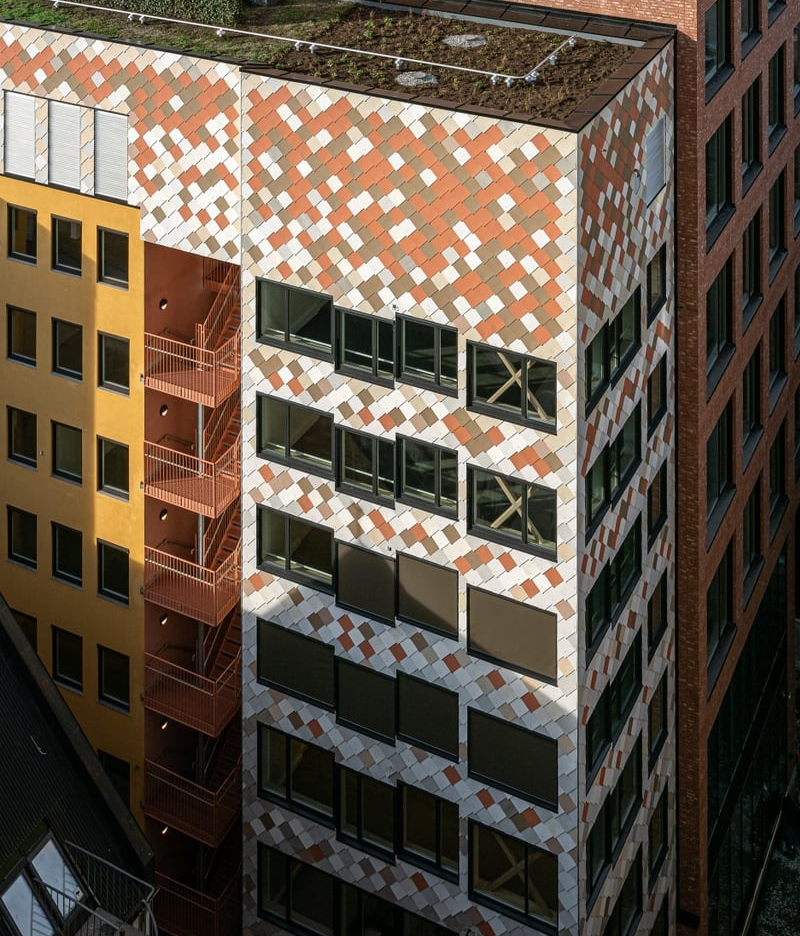
Reuse and repurpose in the built environment
A 1950s office building in Oslo, Norway was renovated and expanded incorporating nearly 80 percent recycled components, reducing embodied carbon emissions by 70 percent compared with new construction levels.
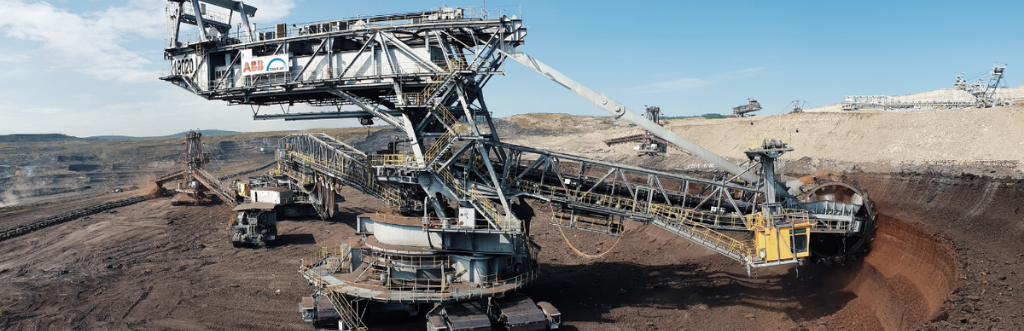
We have enough materials for the green revolution BUT …
To many sustainability specialists, mining is not green, it's brown. It's sometimes thought of as being up there with O&G, some Heavy Industry, Tobacco and Coal. But, we cannot “fix” the problem through exclusions, mining is just too important.