Sunday Brunch: changing the narrative - electric trucks !
We recently wrote about the importance of narratives. And how changing the narrative can influence investor behaviour and improve company engagement. One common narrative is that while passenger EV's might be taking off, it's a lot harder for trucks. But is this really true?

"Stories have a hold over us. They not only help us connect with others, but research shows that they are much more likely to be remembered " - Aswath Damodaran NY Stern 'Narrative & Numbers'.
As investors, we know that having a good narrative is really important. How companies and analysts sell narratives to investors can drive share price movements. But when the narrative changes, the share price implications can be serious and rapid.
One common narrative relates to electric vehicles (EV's). Most investors expect passenger EV's to increasingly dominate future car sales. For instance, the June 2026 BNEF Electric Vehicle Outlook forecasts global sales of 23m EV's, which would be an annual growth rate of c. 11%. This equates to over a quarter of all new car sales (27% to be exact). And by 2035 they expect over half of new car sales to be electric. This narrative is now pretty well embedded among investors.
 ocatsaros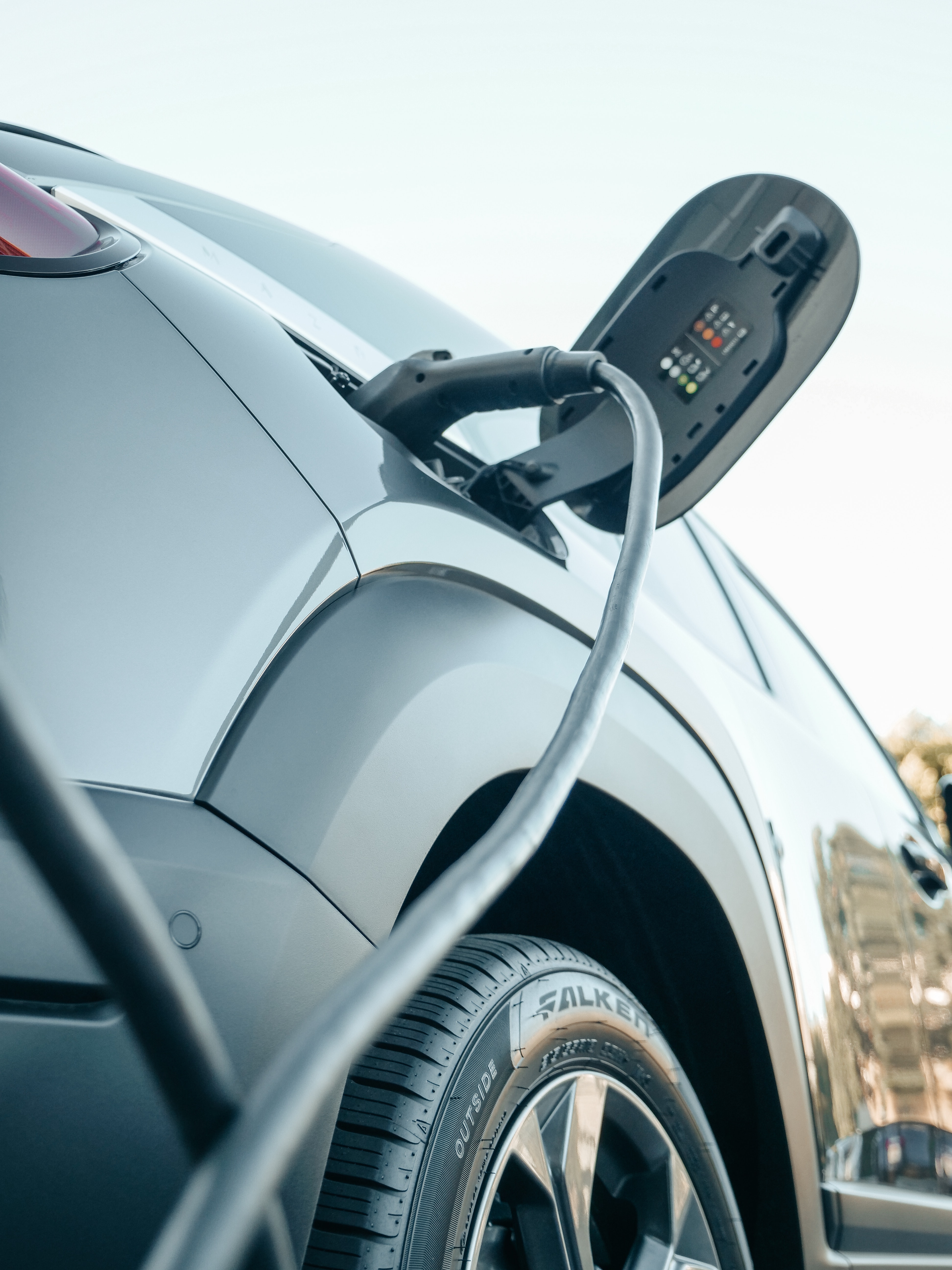
But, the second part of this narrative says that selling electric trucks is a lot harder. Push backs include the size of the batteries (taking up valuable load space) and the lack of charging facilities. One quote sums it up (from Ireland) ...“the batteries are too heavy, the infrastructure is not there, the charging costs are too high, there is no resale value – and the range is quite limited.”
So, is this part of the narrative coming under threat? Carbon Tracker thinks so. And they are using evidence from the market that is increasingly disrupting passenger EV sales - China.
To quote from their recent report ... "Heavy-duty freight could electrify sooner than consensus assumptions suggest. China’s battery-electric truck market has already moved from around 1% of sales in 2021 to more than 30% in 2025, providing a real-world example of how quickly adoption can accelerate."
 Ben Scott and Philip Hunter
The argument is simple. Falling battery costs, combined with manufacturing scale, are leading to improving commercial economics for fleet operators. What matters to truck owners is the Total Cost of Ownership (TCO). A 2023 study from the International Council on Clean Transportation suggested that, on a TCO basis, battery electric powertrains were expected to be the most cost effective technology for trucks before 2030.
The Carbon Tracker analysis takes this a bit further, looking at the relevant S curve and the likely financial tipping point. In other words they asked how quickly does a change in TCO impact real world truck sales?
Just as a quick aside - there are two ways of looking at the technology S curve. Back in 2023 we wrote about one presentation - which looks at who buys the new technology, and what this means for market share. The other (and perhaps more useful) way of presenting it is how quickly the transition happens, and what triggers the near vertical growth period - when a technology goes from 'interesting to dominant'. Renana Ashkenazi has a good explanation of this second approach.
What is interesting for investors is that Carbon Tracker estimates that in Europe and the US the tipping point for heavy duty trucks arrives around 2030, with electric trucks taking c. 50% market share of new sales roughly a decade later. Part of their evidence is what is already happening in China - where TCO parity happened around 2025, and where market share is growing rapidly.
From an investor perspective, this is a viable scenario we need to prepare for. After all heavy trucks are a long life asset, and once an operator switches to electric, they are unlikely to switch back. In that context 2030 is the very near future. And once the narrative switches, share price adjustments and valuations can follow quickly.
One sensible push back is the lack of public charging infrastructure. But as the T&E points out in their recent report (Electrifying depots: the key to electrifying road logistics) ...
"Depot charging is sufficient for regional delivery (up to 300 km per day), as most trucks return to the depot at the end of the day and can be charged there overnight. Almost half of the trucks in France, Germany and the UK could be covered by depot charging and would not rely on public charging infrastructure."


One last thought
This is not a new argument. The narrative change can take time, even as the evidence mounts that we need a different story. Which means that investors can find themselves ahead of the curve. Not great, but better than being too slow.
Back in March 2023 we wrote that ....
Switching to electric vehicles is not just about passenger cars. Buses and trucks are really important as well. Most people think about trucks as being those massive 40t vehicles that speed up and down our interstates/motorways, but trucks is about way more than that. And most buses and delivery vehicles (a better word than trucks maybe) go back to depot at night or site at a logistics warehouse for extended period - making their charging a lot simpler than you think.
 Steven Bowen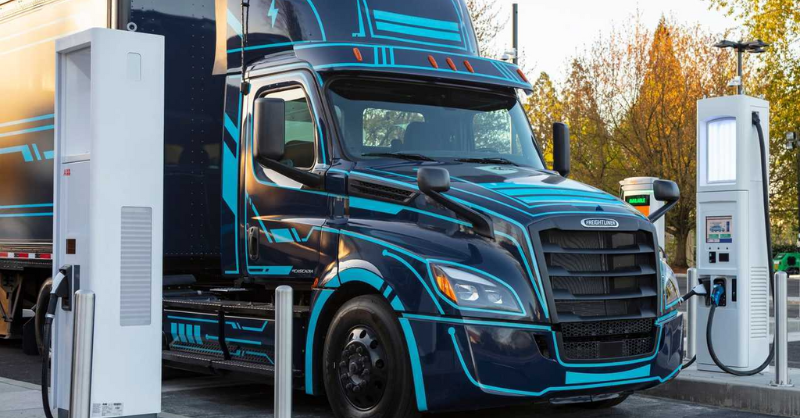
Grant me the strength to accept the things I cannot change, the courage to change the things I can, and the wisdom to know the difference. Reinhold Niebuhr - a Lutheran theologian in the early 1930's
Please read: important legal stuff. Note - this is not investment advice.