
Sunday Brunch: nothing in investing is easy
We recently wrote about the importance of narratives. Investors need to fully understand the current narrative before they can identify where it might be wrong. And this is a lot harder than you might think. It takes a lot of work. But it's worth it.

“Genius is 1% inspiration and 99% perspiration.” – attributed to Thomas Edison
We all rather flippantly talk about understanding the current company narrative as a precursor to knowing 'what news is already in the share price' But what does this really mean in practice ? Trust me when I say - fully understanding the narrative takes a lot of work. And this is work we need to do before you can have the 'inspiration' of buying or shorting the stock.
Or before you try to persuade a company to follow a different, more sustainable, path.
Starting at the beginning. The current narrative for a company is what the market believes to be true, and how investors expect the future to pan out. At one level we can relatively easily construct a narrative/story - say that 'renewables will gradually replace fossil fuel powered electricity generation. Which means that there will be more demand for solar panels and less for CCGT turbines'.
But linking this big picture story to a company, it's future financial prospects, and it's share price , is not a trivial job.
We need to start by understanding the current narrative in detail. Some form of high level (arm waving) explanation is not enough. This must be done before we can decide if the share is under or over valued (cheap or expensive). And it's before we evaluate if the company might be worth more or less if it follows a different strategy.
And sustainability professionals need to do something similar if they want to persuade companies or investors to act. The starting point for all investors will be - what is this company worth if they do what you ask ?
 Steven Bowen
One approach to understanding the likely future financial performance of the company is to use consensus expectations. These are the financial results that the market is expecting over the coming quarters and years. We can think of consensus as being the financial representation of the current narrative.
But in most cases when we look for consensus on the public version of platforms such as Bloomberg, all we get is forecasts for Sales, Profits and Earnings per Share. And at best the numbers only go three or so years out.
This is not enough for us to properly understand the financial impact of the current narrative, and how it is getting translated into the share price.
In the good old days to properly understand the current narrative we would have needed to read a lot of broker reports, followed up with detailed discussions with sell side analysts. This would allow us to build a picture of the interplay between factors such as sales and margins, investments and ROIC, and the likely actions of competitors, customers and regulators/governments. Plus of course the bigger picture economic and geopolitical issues.
And from this we could start to understand the companies sources of competitive advantage, and how long they might be sustained.
 Steven Bowen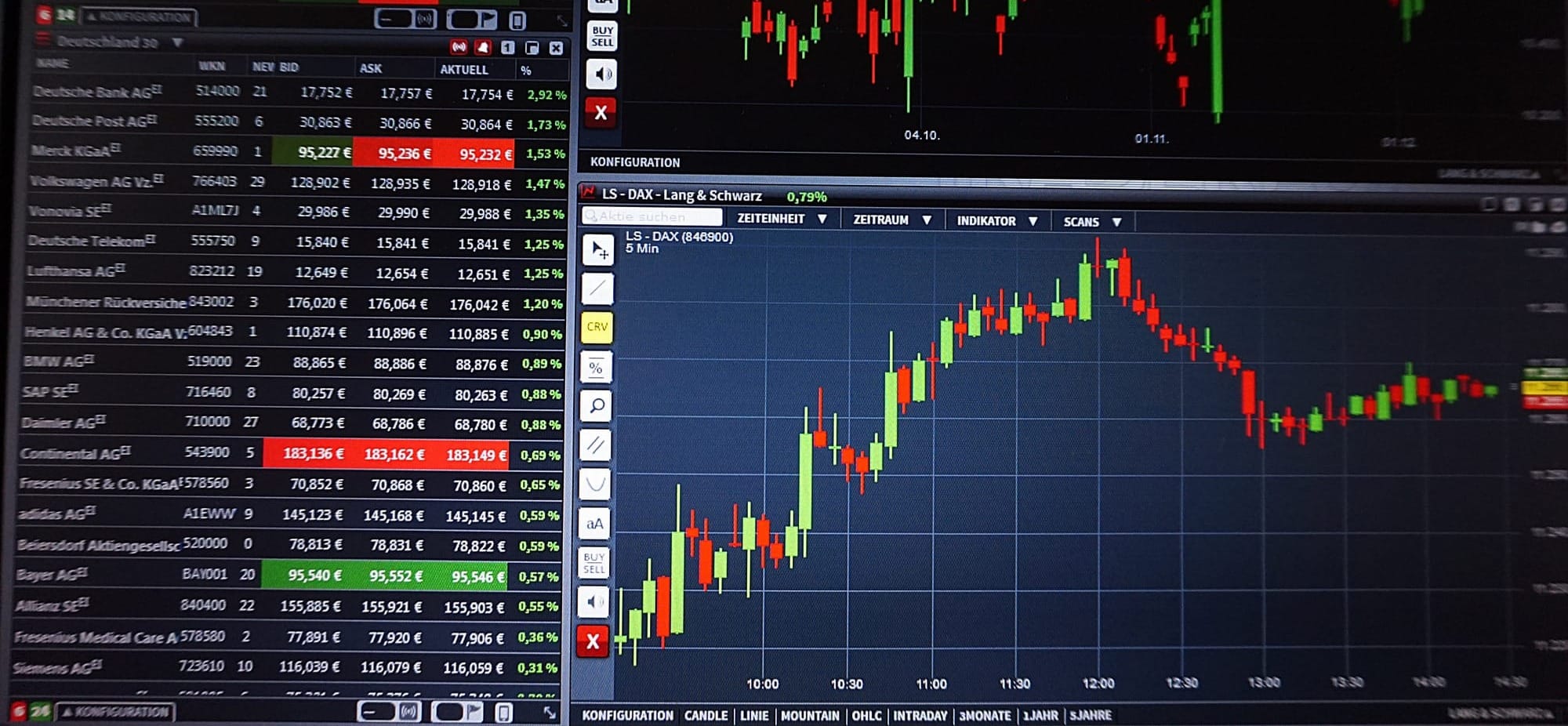
Plus we have to check if the buyside (asset managers and their analysts) share this narrative, and how they are incorporating it into their estimates of fair value. While brokers (the sell side) publish their forecasts and will talk about their assumptions, most asset managers (the people who by their actions set the share price) normally reveal nothing of their thinking. Which means we need to reverse engineer the current share price by adjusting key inputs. And then test our assumptions.
It's only when this work is done can we have a degree of confidence that we understand what assumptions are embedded in the current share price, where they might be 'wrong', and how a different narrative (future outcome) might change estimates of fair value and hence the future share price.
The good news is that there are now some shortcuts, especially with regard to collecting and understanding the assumptions of the sell side. But while this makes the data collection process easier, it doesn't remove the need to carry out the detailed work of linking the narrative to the financial results/outputs, and then onto the share price.
The bottom line is that if we want companies and investors to act differently, we need to understand in detail what assumptions they are making about the companies future, and how the (different) strategy we are proposing might result in new estimates of fair value.
One last thought
"The prime task of an investor is to find opportunities in the gap between price and value". Michael Mauboussin
Bad companies do not always make bad investments. And, good companies do not always make good investments. This might seem counter intuitive, but it's correct. For a company to be a good investment the current share price must be less than the companies fair value. And this has implications for how we talk about sustainability to investors.
 Steven Bowen
Grant me the strength to accept the things I cannot change, the courage to change the things I can, and the wisdom to know the difference. Reinhold Niebuhr - a Lutheran theologian in the early 1930's
Please read: important legal stuff. Note - this is not investment advice.